Section 1 — Introduction
Most of us think that ‘healthy living’ means eating well and exercising regularly. I did too, until one afternoon when I realized that the lemon-scented cleaner in my kitchen didn’t actually contain any real lemons. That smell led me to research what we bring into our homes every day, and the truth was worse than I expected. The place intended to safeguard us can often be a significant source of invisible toxins that impact sleep, hormones, skin, immunity, and mental clarity.
 This isn’t a matter of panic or perfection. Understanding how these exposures add up is the key. The average home contains dozens of chemicals, including air fresheners, plastics, detergents, paints, water, and even bedding. You can’t avoid every toxin, but you can dramatically reduce your exposure with a few intentional changes.
This guide explains the source of hidden toxins, their effect on your body, and the simplest upgrades that can make your home cleaner, safer, and naturally calming. I’ll share the exact changes that made the biggest difference in my own life, and how you can apply them without spending a fortune or overhauling your entire house.
By the end, you’ll have a clear, practical plan to create a home that supports your health instead of draining it – a space that feels lighter, cleaner, and genuinely restorative.
Section 2 – Why It Happens : The Hidden Toxins in Our Everyday Lives
Most toxins in your home are not noticeable as strong smells or obvious irritants. Through products we utilize every day, materials we live with, and habits we don’t consider twice, they sneak in quietly. Exposure is almost unavoidable in modern living, particularly in crowded urban homes where ventilation is limited. This is where the major problems arise.
1. The silent build-up of indoor air pollution
 Indoor air can be 2-5 times more polluted than outdoor air, according to the WHO. The main culprits are VOCs, which are gases released from paints, adhesives, cleaning sprays, incense, perfumes, and synthetic fragrances.
Using air freshener or repainting a room can cause eyes to burn, which is the result of VOCs. In Indian cities, the effects are amplified by poor ventilation, cooking fumes, and pollution seeping in from outside.
Ultimately, you breathe these chemicals for hours every day, and they have a direct impact on your lungs, hormones, and sleep.
2. Chemicals are present in every day products
Cleaners, detergents, shampoos, and scented candles that contain parabens, sulphates, dyes, and artificial fragrances are commonly used by households. These compounds enter your body through your skin and lungs.
When I switched to non-toxic cleaners, the headaches I thought were normal vanished. The chemical load is decreasing, not luck.
3. Contaminated water and plastic containers.
Depending on your area, tap water may contain trace heavy metals, chlorine, fluoride, and microplastics. Add plastic storage to the mix, especially for hot food, and you risk exposure to BPA and phthalates, which can disrupt hormones and metabolism.
Using a reliable water purifier and storage of glass or steel immediately remove two significant toxin sources.
4. Furniture, fabrics, and paints that emit off-gas.
Flame retardants, formaldehyde-based glues, and synthetic coatings in new mattresses, sofas, MDF furniture, curtains, and wall paints cause chemicals to be released for months.
What is the smell of new furniture? It’s chemical off-gassing, not freshness.
The intensity of off-gassing increases in humid Indian weather.
5. Technology & Light Exposure
Blue light isn’t a toxin, but it disrupts your melatonin cycle just like one. Long screen exposure at night has a negative impact on sleep, increases stress, and hinders recovery.
Using blue-light protection or reducing screen time in the evenings is no longer optional — it’s basic nervous system hygiene.
In short:
Toxins can enter your home through the air, water, products, plastics, fabrics, and even light. You can’t control the world outside, but you can control your home environment, which gives you a massive advantage.
Section 3 – How to Detox Your Living Space : Step-by-Step Guide to a Toxin-Free Home
It’s not necessary to completely renovate your entire house at once. The process of reducing toxins is the same as building them up gradually. Start with one room, make a few smart upgrades, and your home will become noticeably cleaner and calmer.
1. Toxin-Free Home, Kitchen — Your Highest-Impact Starting Point
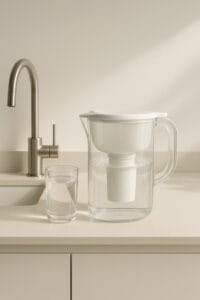 The kitchen holds the biggest toxin load: cookware, plastic containers, water quality, and cleaners.
Smart Swaps
- Substitute non-stick pans with cast iron, stainless steel, or ceramic.
- Store food in glass or steel containers instead of plastic containers.
- Install a water purifier that uses RO+UV or activated carbon.
- Choose cloth towels over disposable wipes.
External Reference:
WHO and EWG research confirms that PFAS from non-stick coatings can disrupt hormone balance and accumulate in the body.
Pantry Check
Reduce the consumption of highly processed foods and artificial additives.
For a complete guide, read ‘Building a Healthy Pantry’.
2. Toxin-Free Home, Living Room — Air Quality & Comfort
The collection of VOCs, dust, and synthetic fragrances is the most significant here.
Key Improvements
- Make sure to cross-ventilate windows daily.
- Add plants like peace lilies, snake plants, or areca palms.
- In cities with high levels of pollution, consider using an air purifier.
- Stay away from aerosols and fragranced products.
External Reference:
The EPA notes that indoor air may be 2-5 times more polluted than outdoor air due to VOC buildup.
Safer Alternatives
- Select soy or beeswax candles as a better option than paraffin.
- Opt for essential oil diffusers over room sprays.
For safe cleaning options, refer to [Best Non-Toxic Cleaning Products for a Healthy Home].
3. Toxin-Free Home, Bedroom — The Space That Should Heal You
You spend nearly one-third of your life in this room, so it needs to be the cleanest environment.
High-Impact Changes
- Choose sheets made from either organic cotton or bamboo.
- Pick either natural latex or organic cotton mattresses.
- Make sure to keep electronics away from the bed.
- Add blackout curtains to regulate circadian rhythm.
External Reference:
NIH studies show that indoor pollutants and poor sleep environments raise oxidative stress and disrupt hormones.
For sleep-supportive habits, read [How to Sleep Better Without Medication].
4. Toxin-Free Home, Bathroom — Where Most Chemical Exposure Begins
Bathroom products are characterized by the presence of parabens, sulphates, and petrochemical solvents.
Practical Swaps
- Make use of shampoos and soaps that contain no sulfates and are natural.
- Make the switch to bath accessories made from cotton or plant-fiber.
- Use baking soda, vinegar, or eco-friendly cleaners to clean.
- Install a filter for your shower.
External Reference:
According to the Mayo Clinic, harsh cleaning chemicals can cause irritation to respiratory passages and skin.
For safe product choices, see the [Best Non-Toxic Cleaning Products for a Healthy Home].
5. Toxin-Free Home, Workspace – Reduce digital and air toxic emissions.
Long work hours and poor ventilation can cause headaches and fatigue.
Quick Fixes
- Plants can be placed near your desk.
Our guide: [Blue Light Blocking Glasses] recommends using blue-light blocking glasses.
- Replacing synthetic air sprays with diffusers or charcoal bags is an option.
- Take breaks every 30 to 45 minutes.
External Reference:
Harvard Health suggests that decreasing evening blue-light exposure can enhance melatonin regulation and sleep quality.
If you’re looking for a deeper reset, check out [How to Do a Digital Detox for Mental Health].
The reasons why this room-by-room system is effective
The goal of each change is to target a significant toxin source: VOCs, plastics, harsh cleaners, poor air quality, or light pollution. You don’t need to aim for perfection — consistent small upgrades can create a noticeable shift in how your home feels and how your body responds.
Section 4 – Natural Cleaning & Detox Tools: Essentials for a Truly Toxin-Free Home
Most store-bought ‘green’ cleaners still contain synthetic surfactants, preservatives, and artificial fragrances. The most effective approach to achieving a fully toxin-free home is to go back to basic, proven ingredients that work without leaving chemical residue.
Here are the essentials: DIY recipes that actually work, and tools that keep your space fresh without using synthetic chemicals.
1. The essential natural cleaning ingredients – Toxin-Free Home
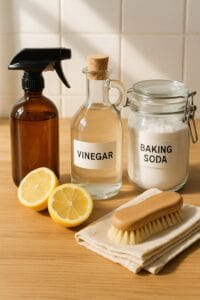 These five ingredients can replace almost every conventional cleaner in your home. They’re cost-effective, versatile, and secure.
1. Baking Soda
- It has mild abrasion, deodorization, and is excellent for sinks, tiles, and greasy surfaces.
2. White Vinegar
- Cuts mineral deposits, eliminates bacteria, and is effective on glass, taps, and mirrors.
Stay away from marble, granite, or natural stone.
3. Lemon Juice
- It’s naturally antibacterial and ideal for removing grease or polishing metal.
4. Castile Soap
- This plant-based soap is perfect for cleaning dishes, floors, and even laundry.
5. Essential Oils
- Tea tree, eucalyptus, and lavender oils have antimicrobial properties and add a natural fragrance.
External Reference:
WebMD notes that tea tree and eucalyptus oils inhibit the growth of common bacteria and fungi.
For suggestions on safe brands, refer to [Best Non-Toxic Cleaning Products for a Healthy Home].
2. DIY All-Purpose Toxin-Free Home Cleaner
Compared to most chemical sprays, this cleaner is both fast and effective.
Ingredients
1 cup white vinegar
1 cup water
1 tbsp baking soda
10 drops essential oil (lemon or tea tree)
Directions
- Combine vinegar and water together in a spray bottle.
- Slowly add baking soda.
- Mix in essential oil and shake.
- Apply to countertops, tiles, and sinks.
Internal Link: For bottled versions of this recipe, see [Best Non-Toxic Cleaning Products for a Healthy Home].
3. Common cleaning needs can be met with the use of natural alternatives
When substituting heavy chemical cleaners, rely on this quick-swap chart:
Cleaning Task | Avoid | Safe Swap |
|---|---|---|
| Floor Cleaning | Phenyl, bleach | Warm water , vinegar and eucalyptus oil |
| Toilet Cleaner | Acid-based liquids | Baking soda and vinegar |
| Laundry | Synthetic detergents | Castile soap or soap nuts |
| Dishwashing | SLS-based detergents | Plant-based dish liquid |
| Air Freshening | Aerosols | Diffuser or open windows |
External Reference:
According to a Mayo Clinic review, frequent use of cleaning sprays can lead to respiratory irritation and asthma-like symptoms.
[Best Non-Toxic Cleaning Products for a Healthy Home] provides deeper product comparisons.
4. To avoid greenwashing, it’s important to read labels properly
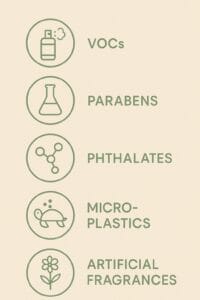 The majority of marketing uses terms like eco-friendly, natural, and plant-powered. They are not regulated and often contain harmful ingredients.
Red Flags
- Fragrance on labels can hide 50–100 chemicals.
- No transparency in ingredients.
- Triclosan is used in antibacterial products.
- Synthetic dyes that are bright.
Look For
- Complete ingredient lists
- Certifications that are recognized include EcoCert, USDA Organic, and Made Safe.
- Scents that are either fragrance-free or based on essential oils.
Internal Link:
[Best Non-Toxic Cleaning Products for a Healthy Home] offers an endorsed selection of options.
5. Cleaner homes are supported by detox tools
These natural tools maintain clean air and surfaces without chemical build-up.
A device that purifies air using HEPA filters
- In Indian metros, it is crucial to remove dust, VOCs, pollen, and fine pollutants.
For evidence-based recommendations, refer to the EPA’s guide on home air cleaners.
Charcoal bags that have been activated
- Ideal for wardrobes and bathrooms, it absorbs odors, humidity, and VOCs.
Lamp that uses Himalayan Salt
- Delivers a warm light; its mild ionizing effect aids in odor neutralization.
Natural Dehumidifier
- Reduces mold in humid regions (coastal cities are most affected).
Internal Link:
To find the best non-toxic cleaning products for a healthy home, refer to Best Non-Toxic Cleaning Products for a Healthy Home.
The importance of this section
Switching to natural cleaning agents removes hundreds of synthetic chemicals that your body would otherwise inhale or absorb daily. By using these swaps, you can save money, reduce long-term exposure, and make your home feel fresher without artificial scents.
Section 5 – Safe Home Materials & Furnishings
Your air quality is more impacted by your walls, furniture, flooring, and fabrics than most people realize. For months or years, many of these materials may emit VOCs, flame retardants, adhesives, or synthetic finishes. There’s no need for a renovation — you just need to make better choices each time something is replaced.
1. Paints and wall finishes.
 The release of VOCs by traditional paints lasts for a long time after the smell dissipates. These chemicals can cause headaches, allergies, and respiratory irritation.
Healthier Options
- Paints that are either low-VOC or zero-VOC
- Paints that are based on clay or natural lime wash
- It is important to have proper ventilation during and after painting
External Reference:
EPA research indicates that long-term exposure to VOCs can cause neurological and liver stress.
Internal Link:
If you need natural cleaners to keep painted surfaces clean, take a look at [Best Non-Toxic Cleaning Products for a Healthy Home].
2. Flooring options that contribute to indoor wellness
Many common flooring materials, like vinyl, synthetic carpets, and laminated planks, have PVC, formaldehyde, or adhesives that emit gas continuously.
Better Alternatives
- Non-toxic finishes are available for solid wood
- Natural linoleum made from linseed oil; biodegradable.
- Cork flooring is renewable and mold-resistant.
- Cotton or jute rugs are superior alternatives to synthetic carpets.
External Reference:
According to Mayo Clinic, synthetic carpets can worsen respiratory issues by trapping dust mites and mold.
Internal Link:
To maintain the cleanliness of natural flooring, refer to [Natural Cleaning Products for Healthy Homes].
3. Furniture – The Most Overlooked Toxin Source
Furniture made from MDF or particleboard contains glues and flame retardants that are based on formaldehyde. The strength of off-gassing increases in warm Indian climates.
What is the best option?
- Furniture made of solid wood with natural oil or water-based finishes
- Instead of buying new MDF, use refurbished/repurposed wooden pieces
- Cushions that are foam-free or made of natural latex
- The fabric used for upholstery is either cotton, hemp, or linen
External Reference:
NIH studies link chronic exposure to formaldehyde to eye irritation, respiratory issues, and long-term health risks.
4. Fabrics, curtains, and bedding.
PFCs, which are similar to the chemicals used in Teflon coatings, are commonly found in wrinkle-resistant or stain-resistant fabrics.
Safer Swaps
- Fabrics made from natural fibers such as cotton, linen, or bamboo
- Curtains that are dyed or unbleached using natural means
- Washing new fabrics is necessary before using them for the first time
- Replacing chemical fragrances with lavender sachets or charcoal bags in clothing.
External Reference:
PFC-treated textiles should be avoided by the Environmental Working Group (EWG) because they may cause endocrine disruption.
Internal Link:
To improve your sleep, read [How to Sleep Better Without Medication].
5. Lighting, electronics, and small details.
Your indoor environment can be influenced by lighting and accessories.
Better Choices
- Instead of CFLs, use LED bulbs (CFLs contain mercury)
- Warm lighting during the evenings is necessary to support the circadian rhythm
- When electronics are not in use, it’s best to unplug them
- Steer clear of PVC-coated cables and inexpensive plastic desk accessories.
External Reference:
Harvard Health has validated that melatonin production is disrupted by exposure to harsh or blue-toned light during the evening.
Internal Link:
If you can’t avoid screen time, check out [Blue Light Blocking Glasses].
6. Safe storage and food-contact materials.
Plastics can release harmful chemicals into food due to heat, sunlight, and wear.
Switch To
- Glass containers for grains, pulses, and snacks
- Water bottles and tiffins made of stainless steel
- Silicone or cotton wraps can be used instead of cling film.
- Either steel or wooden utensils
External Reference:
The association between BPA and hormonal imbalance and potential reproductive issues is highlighted by WebMD.
Internal Link:
Check out ‘Build a Healthy Pantry‘ for tips on organizing your pantry.
The importance of this section
The materials in your house determine your baseline exposure level. It’s sufficient to upgrade one thing at a time, such as your next bed sheet, paint job, jar, or rug. Your home will transition from synthetic-heavy to breathable, natural, and low-toxic in a few months without overstretching your budget.
Section 6 – Smart Tools, Supplements & Natural Aids for a Toxin-Free Home Lifestyle
Following the cleaning of your home environment, the next step is to support your body’s natural detox systems. Elimination of all pollutants is not possible, but you can make sure that your air, water, and daily habits reduce the strain on your liver, lungs, gut, and skin.
The focus of this section is on evidence-backed tools and simple habits that can help your environment and body work together rather than against each other.
1. Air purifiers are your first line of defence indoors.
Indoor air is still affected by outdoor pollution, cooking fumes, dust, and VOCs, even in well-maintained homes. By using a HEPA air purifier, particulate matter can be significantly reduced and respiratory comfort can be improved.
What to keep an eye out for
- The true HEPA filter is capable of capturing 99.97% of particles down to 0.3 microns.
- An activated carbon layer is used to deal with VOCs and odors
- Energy-efficient and quiet models for bedrooms.
External Reference:
According to the World Health Organization (WHO), household air pollution is responsible for millions of premature deaths every year.
Internal Link:
If you’re interested in natural ways to freshen rooms, check out the [Best Non-Toxic Cleaning Products for a Healthy Home].
2. Water filters remove chemicals at the source.
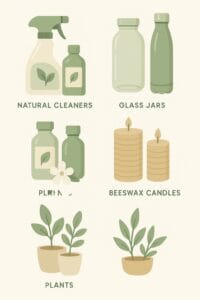 The tap water in your area may contain chlorine, fluoride, heavy metals, or microplastics. Exposure to this water increases when it is used for cooking, drinking, and washing produce.
Best filter options
- RO and UV systems are used in cities with high contamination levels.
- Activated carbon filters for chlorine, pesticides, and organic compounds.
- Copper-infused filters are designed to provide antimicrobial support
External Reference:
According to EWG studies, tap water may contain more than 300 contaminants.
Internal Link:
[Build a Healthy Pantry] is a great resource for reducing kitchen toxin levels.
3. Indoor plants provide natural air purification support.
In NASA’s Clean Air Study, it was found that several indoor plants can reduce airborne toxins. While they are not substitutes for ventilation or purifiers, they can help maintain cleaner air when used wisely.
Top Choices
- Snake plants release oxygen at night.
- Peace Lily reduces mold spores and VOCs.
- The Spider Plant is suited for kitchens and offices
- Areca Palm adds humidity to dry rooms.
Caution:
Having too many plants in small rooms can lead to an increase in humidity and mold risk.
Internal Link:
To get started on resetting your living space, check out [How to Do a Digital Detox for Mental Health].
4. Natural supplements aid in the process of detoxification.
Although supplements cannot substitute for a toxin-free environment, they can aid liver enzymes, immune function, and antioxidant defences when utilized correctly.
Evidence-Supported Options
- Silymarin, which is found in Milk Thistle, aids in protecting the liver and activating detox enzymes.
- Spirulina/Chlorella: Binds to certain heavy metals and is antioxidant-rich.
- Vitamin C and zinc can neutralize oxidative stress.
- Turmeric (Curcumin) has anti-inflammatory properties and aids in maintaining liver health.
- Probiotics support the function of the gut barrier and toxin elimination.
Important:
If you have liver, kidney, or metabolic conditions, it’s important to consult your doctor before adding supplements.
External Reference:
These nutrients support detoxification physiology, as confirmed by NIH and NCBI studies, but they are not a substitute for medical treatment.
Internal Link:
To improve gut health without probiotics, read [How to Improve Gut Health Without Probiotics].
5. EMF Protection & Electronics Habits
EMFs are not harmful, but excessive screen exposure has a negative impact on sleep and stress regulation. Small changes reduce daily overstimulation.
Practical Adjustments
- Ensure that your phone is on airplane mode at night
- If possible, opt for wired earphones instead of Bluetooth
- Keep devices away from your body
- Make sure to keep WiFi routers away from bedrooms
External Reference:
The NCI notes that EMF effects are still being studied, but reducing exposure is a reasonable precaution.
Internal Link:
To enhance evening routines and minimize tech overload, consult [How to Start a Morning Routine for Mental Clarity].
6. Natural aromatherapy and air enhancers.
Artificial sprays won’t make your home smell clean. The absence of VOCs makes pure essential oils and passive purifiers more effective.
Better Options
- The use of ultrasonic diffusers with lavender, eucalyptus, and lemon
- Negative ions produced by beeswax candles are responsible for binding dust.
- Bamboo charcoal bags naturally absorb moisture and odors.
External Reference:
Harvard Health notes that aromatherapy can reduce stress and improve sleep when used correctly.
Internal Link:
If you’re looking for safe scent alternatives, check out [Best Non-Toxic Cleaning Products for a Healthy Home].
7. Cleaning tools that are chemical-free and smart
By using these tools, you can avoid relying on harsh cleaners and maintain a truly clean home.
Top Picks
- Use a steam mop to thoroughly clean floors with only water.
- Microfiber cloths are effective in capturing dust without the use of sprays
- Use a vacuum that has a HEPA filter to get rid of fine dust and pet dander.
External Reference:
According to the EPA’s guidance, HEPA-based tools are recommended for reducing indoor pollutant load.
Internal Link:
To find DIY or natural cleaner suggestions, refer to [Best Non-Toxic Cleaning Products for a Healthy Home].
The importance of this section
Creating a healthier environment isn’t just about getting rid of things, it’s also about adding things that support your body. By reducing your daily toxin burden and improving your baseline energy and focus, you can improve your baseline energy and focus by utilizing clean air, clean water, better lighting, and targeted nutrients.
Section 7 – Everyday Habits to Maintain a Toxin-Free Home
Once you’ve made the big upgrades, what keeps your home healthy long-term are the micro habits you repeat daily. Toxins creep in slowly through air, dust, packaging, products, and clutter. Keeping your environment clean is easy with these habits without adding more work to your routine.
1. Make sure to air out your home every morning
Every day, open windows for 15-20 minutes to release VOCs, carbon dioxide, humidity, and stale indoor air.
If you live near traffic, schedule it early in the morning or late in the evening.
*For passive purification, place a snake plant or peace lily near the window as a bonus.
Internal Link:
For safe ways to clean your room, see [Best Non-Toxic Cleaning Products for a Healthy Home].
External Reference:
According to EPA guidance, ventilation is the most effective way to reduce indoor pollutants.
2. Follow the ‘One in, One out’ principle.
It is important to replace an old item with a new one.
This prevents the accumulation of clutter, dust, and unnecessary plastics and synthetic fabrics in your space.
Start with:
- Bathroom shelves
- Kitchen drawers
- Wardrobes
- Fewer items means fewer toxins.
3. Regularly wash bedding and curtains.
To eliminate sweat, dust mites, and airborne pollutants, it’s important to wash bedsheets and pillowcases every 7-10 days.
Ensure that your washing practices are safe:
- Baking soda is used to reduce odor
- White vinegar has the potential to be used as a natural fabric softener.
- It’s possible to add a few drops of lavender or eucalyptus oil
Internal Link:
Improved sleeping habits: [How to Sleep Better Without Medication]
4. Clean filters and appliances monthly.
Pollutants are released into the air again due to dirty filters.
Create a reminder for every month to:
- Replace or clean the HEPA filters
- Wash out your water purifier
- Containers for vacuum dust that have been empty
- Clean ceiling fans and AC vents with a wipe
- Think of this as a way to keep your lungs healthy.
External Reference:
The EPA’s guide on air cleaners for the home.
5. Practicing safe cookware and storage habits
Poor maintenance can make even the best cookware unsafe.
Do:
- Replace non-stick pans that have been scratched without delay
- Store leftovers in glass or ceramic containers.
- Wooden or stainless steel utensils are recommended.
- Avoid heating food in plastic containers
Internal Link:
See [Building a Healthy Pantry] for kitchen organization and safer storage.
6. Keep Shoes Outside
Shoes are a source of pesticides, heavy metals, dust, and bacteria.
Leave them at the entrance and use indoor slippers that can be washed.
Small change, big benefits — especially if you have kids or pets.
7. Switch to natural home fragrances.
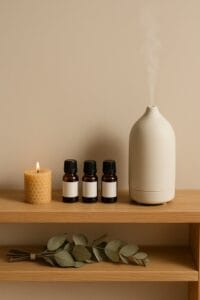 Replacing candles, aerosols, and sprays with:
- Essential oil diffusers for essential oils
- Beeswax candles
- Bamboo charcoal bags
- Open windows as soon as possible
Internal Link:
[Best Non-Toxic Cleaning Products for a Healthy Home] has fragrance products that are safe to use.
External Reference:
NCBI studies have linked scented aerosols to an increase in exposure to VOCs.
8. Minimize the use of beauty and cleaning products.
The production of more products results in the production of more chemicals.
By making a choice, you can reduce clutter
- Multi-purpose cleaners
- Effortless skincare routines
- Soaps and shampoos that are made from natural ingredients
- Glass storage for oils and cosmetics.
Internal Link:
For a calm, low-toxic lifestyle routine, see [Morning Routine for Mental Clarity].
9. Electronics Hygiene
Electronics are capable of accumulating dust and emitting trace chemicals.
Maintain weekly:
- Use diluted vinegar solution to wipe screens
- Turn off devices that are not in use.
- Organize and coil PVC cables
- Elevate laptops to improve airflow
Internal Link:
If your sleep is affected by screen exposure, take a look at [Blue Light Blocking Glasses].
External Reference:
The health hazards of long-term exposure to household chemicals from dust and plastics are highlighted by WebMD.
10. Refresh Your Home’s Energy Too
Your emotional state is influenced by your environment.
Try:
- The act of burning incense or beeswax candles
- Rearranging furniture to enhance natural light
- Opening windows during sunrise
- Adding a warm, soft lighting to the evenings
Internal Link:
Create a routine that focuses on calming yourself with [How to Start a Morning Routine for Mental Clarity].
The importance of these habits
Although they take minutes, these habits can help prevent toxic build-up, decrease dust and VOC levels, and keep your home consistently clean and breathable. Maintaining a toxin-free home requires simple, smart routines, not just achieving it.
Section 9 – Conclusion : Your Home Should Heal You, Not Harm You
 Most people don’t question the products, materials, or habits that make up their homes. It’s impossible to forget how easily toxins can enter our daily lives through air, water, plastics, fabrics, and cleaners once you’ve seen it for yourself. That’s beneficial. Control is gained through awareness.
Toxin-free home living doesn’t require perfection or fear. The goal is to eliminate the unnecessary stress that your body encounters every day. Your body can rest and reset when your air is cleaner, your water is purer, and your space is less cluttered with chemicals.
In small ways, you’ll observe the difference: easier breathing, fewer headaches, deeper sleep, quieter mornings, and a sense of calm that artificial fragrances cannot generate.
If you’re uncertain about where to begin, don’t overhaul everything.
- Select one room.
- Make a swap.
- Improve one of your habits.
Those small decisions compound quickly.
Internal Link Path for Next Steps:
For safe product replacements: [Best Non-Toxic Cleaning Products for a Healthy Home]
For kitchen essentials: [Build a Healthy Pantry]
For sleep and evening routines: [How to Sleep Better Without Medication]
For clearing mental and digital clutter: [How to Do a Digital Detox for Mental Health]
It’s important that your home is supportive of your health instead of hindering it.
Start with a straightforward change today. Over time, those choices create a space that is lighter, cleaner, and truly restorative.
Toxin-Free Home Starter Kit
To make your transition easier, here’s a curated list of products that support toxin-free living without overwhelming your budget:







Sibani is the founder of The Calm Bloom, sharing mindful living tips, wellness guides, and practical routines for a balanced lifestyle.