Introduction
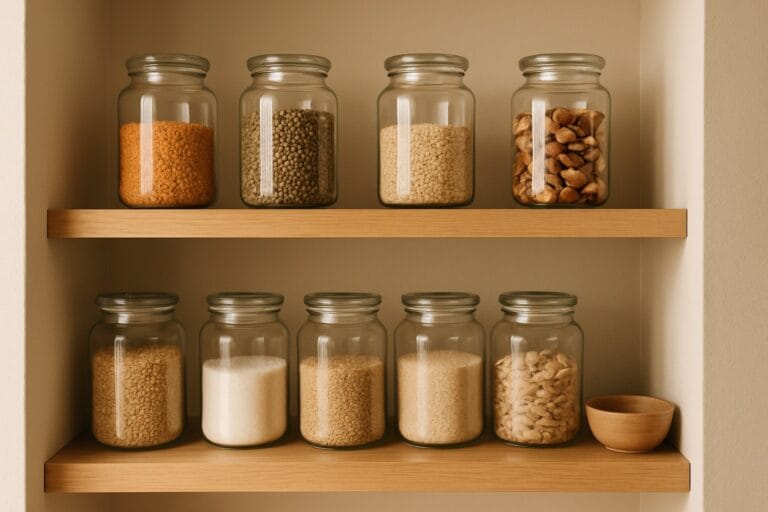
When I began paying attention to my pantry, I realized that the majority of what was inside was not helping my health at all. The space was taken up by half-empty packets of biscuits, sugary cereals, and duplicate spice boxes as I tried to put together balanced meals. I came to understand that a pantry is more than just storage; it’s the foundation of everyday cooking.
Having a well-stocked pantry simplifies cooking, saves money, reduces waste, and contributes to your long-term health. The best part is you don’t need to fill it with expensive superfoods. When daily staples like rice, lentils, oats, nuts, and spices are organized and easy to access, they can do wonders.
In this guide, I’ll show you how to create a healthy pantry from the ground up using 10 smart tips. Creating a pantry that fits your lifestyle will be learned by you, from stocking grains and proteins to organizing shelves and budgeting smartly.
Step 1: Clear Out the Old
Before adding anything new, the first step is to reset the pantry. This prepares the ground for healthier choices.
Verify the dates of expiration.
Go through all your shelves and remove items that have passed their best-before or expiry date. Expired grains may attract pests, as old spices lose flavor, rancid oils can harm health, and expired grains may attract pests.
Arrange into Categories

- Separate everything into three piles.
- Keep healthy, unspoiled staples that you use regularly (such as oats, rice, and lentils).
- Unopened, packaged items that don’t fit your health goals but are still safe to consume (instant noodles, packaged snacks).Dispose of expired, stale, or damaged items.
Clean & Reset
Clean shelves using a natural cleaner that is mild. Not only does this make your pantry hygienic, but it also provides a clean canvas for restocking.
Personal Tip :
When I did this for the first time, I found three bottles of soy sauce and two packets of vermicelli—all forgotten in the back. The pantry’s disorganization made me realize how easy it is to overspend.
Expert advice:
The Mayo Clinic stresses that food safety and proper storage are crucial in preventing waste and foodborne illnesses (source: Mayo Clinic).
Step 2: Define Your Core Nutrition Goals
Your pantry is a reflection of your health goals, not just a storage space. Stocking it strategically helps you prepare meals that truly fit your lifestyle, instead of being tempted by whatever’s most convenient.
What is the purpose of setting nutrition goals first?
It’s easy to end up with items that don’t fit together if you don’t have any direction. Define your goals so that every ingredient in your pantry serves a purpose.
For example:

- Whole grains, nuts, and seeds help boost energy by providing slow-release fuel.
- Natural immune boosters include dried fruits, vitamin-C-rich herbal teas, and spices such as turmeric and ginger
- Quick, healthy meals on busy days can be made family-friendly by having lentils, rice, flour, and spices ready.
- Maintaining fullness and preventing energy crashes is achieved by pairing low-GI grains like oats and millets with protein-rich pulses, which can help with weight management.
Personal Experience
When I first tried to eat healthier, I stocked up on trendy powders and supplements. The majority were not used because they didn’t fit into daily meals. Once I focused on my actual needs, such as quick weekday dinners and immune support during monsoon, I built a pantry that I actually used.
Practical Tip
Before you shop, make sure to write down your top three pantry goals. When you’re tempted to buy more, use this list as a reminder to stick it inside your pantry door.
If boosting immunity is one of your goals, you might find my guide on How to Boost Your Immune System Naturally at Home useful.
Step 3: Stock Whole Grains
Whole grains form the foundation of a healthy pantry. They are adaptable, nutrient-rich, and offer the slow-release energy your body requires for stable blood sugar and sustained energy levels. Unlike refined grains, whole grains keep their bran and germ, resulting in more fiber, vitamins, and minerals.
Include whole grains that are essential
- Many Indian kitchens rely on brown rice, which is a good choice for pulao, stir-fries, and simple dal-chawal meals.
- Quinoa is gluten-free and high in protein, perfect for salads or as a rice substitute.
- Oats are ideal for porridge, overnight oats, or even savory chilli-style pancakes.
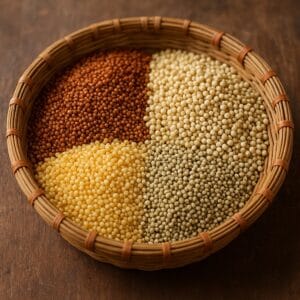
- Millets, which include Ragi, Jowar, and Bajra, are traditional Indian superfoods that are making a comeback. They’re excellent for rotis, dosas, or porridge.
- Whole wheat flour is a must-have for chapatis, parathas, and healthy baking.
Storage Tips
- To prevent moisture and pests, store grains in airtight containers.
- Label your items with purchase dates to facilitate stock rotation.
- For bulk purchases, freeze for 48 hours before transferring them to containers to prevent insect infestations.
Personal Experience
My family resisted my decision to switch from white rice to brown rice because of the texture. By mixing the two for a few weeks, the transition became easier. It has become a must-have item in every household.
Expert Backing
Harvard Health Publishing notes that consuming more whole grains is linked to a lower risk of heart disease, type 2 diabetes, and certain cancers (source: Harvard Health Publishing).
Practical Tip
It’s important to have at least two different grains on hand. This way, you can rotate between them and keep meals interesting.
If you’re curious about how grains affect gut health, check out my post on How to Improve Gut Health Without Probiotics.
Step 4: Stock Quality Proteins
The building blocks of muscles, hormones, and enzymes are proteins. Planning balanced meals becomes easier when a pantry is stocked with diverse protein options. For vegetarians and non-vegetarians alike, variety ensures that you are covering all essential amino acids.
Protein sources that should be included
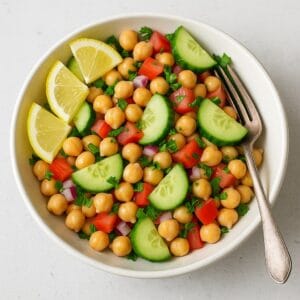
- Lentils and pulses (Dal, Chana, Rajma, and Moong) are affordable, versatile, and rich in protein.
- Nuts and seeds such as almonds, walnuts, flaxseeds, and chia are ideal for snacking or blending into smoothies.
- Peanut and almond butters are shelf-stable and quick to add to snacks or breakfast.
- Canned Beans/Chickpeas are time-savers when you don’t want to soak and boil.
- Vegetarian meals can be made reliable with shelf-stable plant proteins like Soy Chunks and Tofu in sealed packs.
- Eggs, if not vegetarian, have a long shelf life when refrigerated and are highly versatile.
- If you are a non-vegetarian, canned tuna or salmon is a good choice because it has omega-3s and is easy to use.
Storage Tips
- To avoid weevils, ensure that lentils and pulses are stored in airtight jars.
- To preserve healthy oils, store nuts and seeds in a refrigerator.
- Rotate stock by verifying expiration dates, particularly for canned items.
Personal Experience
During a particularly busy work period, I came to the realization of how much canned chickpeas have been a lifesaver for me. Tossed into a salad with lemon and herbs, they gave me a protein-rich meal in under 10 minutes, without compromising on health.
Expert Tip
The Indian Council of Medical Research (ICMR) recommends that adults consume at least 0.8–1 gram of protein per kilogram of body weight daily to maintain optimal health. A complete amino acid profile is provided by pairing grains with pulses.
Practical Tip
Always combine plant proteins with grains (such as dal-chawal or rajma-chawal). This is not just tradition but also the application of nutritional science in practice.
- My guide on How to Boost Your Immune System Naturally at Home may be helpful if you often feel fatigued or weak
It is helpful because it explains how protein supports immunity.
Step 5: Stock Healthy Fats
Fats are an essential part of brain health, hormone production, and nutrient absorption, even though they are often misunderstood. Choosing the appropriate fat types for your pantry is the key.
Healthy fats that should be kept in your pantry

- Mustard oil, sesame oil, groundnut oil, and cold-pressed coconut oil are staple cooking oils in India. Olive oil is essential for Western-style cooking.
- Indian households use ghee extensively due to its high content of fat-soluble vitamins (A, D, E, and K).
- Almonds, walnuts, sunflower seeds, and flaxseeds are all good sources of unsaturated fats.
- Peanut or almond butter can serve as both a protein and fat source.
- If you’re on a budget, avocado oil (optional) is a good choice for salads or low-heat cooking.
Storage Tips
- To prevent rancidity, keep oils in dark and cool places.
- Purchase smaller bottles of specialty oils (such as olive oil) to prevent them from rotting.
- Ghee can be kept fresh at room temperature by keeping it in airtight containers and using it regularly.
Experience
When I first switched from refined sunflower oil to cold-pressed groundnut oil, I noticed not only a richer taste but also fewer digestive issues. I was reminded that making small kitchen improvements can have long-term health benefits.
Expertise and authority.
According to Harvard Health, unsaturated fats (found in nuts, seeds, and oils) have a positive impact on bad cholesterol and heart health. On the other hand, oils that have been heavily processed or hydrogenated should be avoided.
Source: Harvard Health – ‘The truth about fats’.
Practical Tip
Incorporate two main cooking oils into your pantry. There is a traditional option (such as mustard or coconut oil) and a versatile option (such as olive oil). Using them while they are fresh prevents clutter and ensures that they are used when they are fresh.
- Check out How to Reduce Inflammation Through Diet if you’re interested in how fats affect overall wellness through internal links. In many anti-inflammatory diets, the right fats are the focus.
Step 6: Stock Whole Grains and Flours
Whole grains and flours form the backbone of most kitchens. They provide sustained energy, fiber, and essential vitamins. Stocking a variety helps you cook both everyday meals and healthier alternatives to refined carbs.
Whole Grains to Include
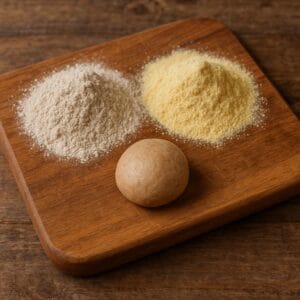
- Rice (Brown, Red, or Parboiled): Rich in fiber and minerals, good for digestion.
- Quinoa or Millets (Ragi, Bajra, Jowar, Foxtail Millet): Gluten-free and nutrient-dense, excellent for variety.
- Oats: Great for quick breakfasts, baking, or smoothies.
- Barley: Ideal for soups, stews, or porridge.
- Flours to Keep Handy
- Whole Wheat Flour (Atta): Staple for chapatis and parathas.
- Millet Flours (Ragi, Bajra, Jowar): Nutritious and versatile.
- Besan (Gram Flour): Useful for pancakes, pakoras, or protein-rich rotis.
- Multigrain Flour Mix: Easy way to add variety to your diet.
Storage Tips
- Store grains and flours in airtight containers to prevent moisture and insects.
- Buy flour in smaller batches as they spoil faster than whole grains.
- Make sure to finish older bags before opening new ones to rotate your stock.
Personal Experience
I once replaced half of my wheat flour with ragi flour for rotis, and while the taste took a little adjustment, I noticed improved satiety. The pantry shift was small but sustainable.
Expertise & Authority
Whole grains are linked to reduced risks of heart disease, type 2 diabetes, and obesity.
Source: Mayo Clinic – ‘Whole grains: Hearty options for a healthy diet’
Practical Tip
Make sure to maintain a balance by not overcrowding your pantry with every grain you find. Choose 2 to 3 main grains and 1 to 2 specialty options. This method ensures that your pantry remains practical and uncluttered.
- If you’ve ever had issues with digestion or energy drops, my post on How to Improve Gut Health Without Probiotics can be helpful .It explains the significance of whole grains.
Step 7: Stock Herbs, Spices, and Condiments
Herbs and spices are not just flavorful—they are also effective tools for health. Your pantry is rounded out by condiments, allowing you to quickly create delicious meals.
Essential Spices
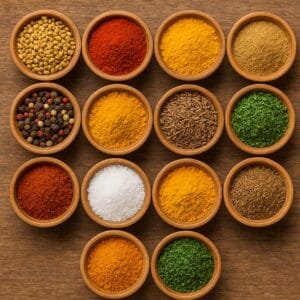
- Turmeric has anti-inflammatory and antioxidant properties.
- Cumin and coriander seeds aid digestion and enhance flavor.
- Cinnamon and cloves are rich in antioxidants and great for sweet and savory dishes.
- Black pepper enhances nutrient absorption, especially turmeric.
- Chili powder or whole chilies add heat and metabolism-boosting properties.
- Cardamom supports digestion and adds aroma.
Must-Have Herbs
- Dried Oregano, Basil, and Thyme are used for Italian and fusion cooking.
- Dried mint and fennel leaves (Kasuri methi) are classic Indian flavor enhancers.
Pantry-Friendly Condiments
- Vinegars, such as Apple Cider, White, and Balsamic, are useful for dressings, marinades, and digestive support.
- Soy sauce or tamarind adds umami depth to stir-fries.
- Mustard is good for sandwiches, marinades, and salad dressings.
- Honey or jaggery are natural sweeteners that contain minerals and antioxidants.
- Pickles and chutneys are long-lasting and add zest to meals.
Storage Tips
- Store spices in glass jars that are airtight and keep them away from direct sunlight.
- Buy in small quantities—the freshness of the food has a significant impact on its taste and potency.
- Check expiration dates on condiments and rotate stock.
Experience
I once underestimated the amount of spice that can elevate simple meals. A simple lentil soup became extraordinary with the addition of cumin and fresh coriander. Keeping a modest but versatile spice collection saved me from bland dinners more times than I can count.
Expertise & Authority
The combination of turmeric and black pepper has been shown to enhance its bioavailability, making it more effective as an anti-inflammatory agent, according to research.
Source: NCBI – Curcumin: A Review of Its Effects on Human Health.
Practical Tip
Don’t keep a lot of spices that you won’t use often. Instead, keep 8-10 essentials that suit your cooking style. To ensure freshness, replenish in small amounts.
- If you’re curious about how everyday ingredients affect wellness, check out my article on the Best Non-Toxic Cleaning Products for a Healthy Home. Explores the possibility of reducing toxins beyond food.
Step 8: Stock Beverages and Snacks
Snacks and beverages are where most pantry trips go off track. A well-chosen selection maintains control over cravings without relying on highly processed options. The aim is to strike a balance between treating yourself and making healthier options easy and accessible.
Stock up on healthy beverages

- Herbal teas such as chamomile, green tea, and tulsi can be beneficial for digestion, relaxation, and overall wellness.
- Coffee (preferably ground or beans) is a pantry classic, but it is best consumed in moderation.
- Infused water packs or dried herbs can add natural flavor to plain water.
- Shelf-stable coconut water contains electrolyte-rich and refreshing properties.
Snack options that are smarter
- Roasted chickpeas or mahana (fox nuts) are crunchy and protein-rich alternatives to chips.
- Trail Mix, which includes nuts, seeds, and dried fruits, is a great source of energy.
- The treat of dark chocolate (70% or above) is rich in antioxidants.
- Hummus or nut butter are a great pairing for whole-grain crackers.
- Making popcorn kernels without excess butter makes them a fiber-filled snack.
Storage Tips
- Airtight jars can be used to preserve the freshness of trail mixes.
- To preserve their flavor and potency, store teas in opaque containers.
- Snacks can be stored in small jars or bags to prevent overeating.
Experience
I found that roasted makhana replaced my evening chips habit and I didn’t miss the crunch at all. The switch was surprisingly effortless, and the extra protein made me feel fuller for a longer period of time.
Expertise & Authority
According to WebMD, snacks that contain protein and fiber can help stabilize blood sugar and prevent energy crashes, as opposed to processed sugary snacks.
Source: WebMD – “Healthy Snacks for Adults”
Practical Tip
Make sure to keep 2-3 healthy snacks visible at eye level in your pantry. Your hunger will lead you to reach for them before anything else.
If your goal is to reduce stress-eating, my article on How to Manage Stress Naturally Without Therapy is a good resource. It might help. It covers mindful ways to curb emotional snacking.
Step 9: Stock Emergency & Convenience Items
Even the most carefully planned pantry needs a few ‘just in case’ items. These are not meant to be used every day, but they can be helpful when you’re short on time, energy, or access to fresh groceries.
Smart emergency staples

- Instant oatmeal or poha packets: quick breakfast options.
- Whole-Wheat or multigrain pasta is a simple base for quick meals.
- When you’re unable to cook from scratch, canned soups or tomato purees are useful.
- Nutritious and long-lasting frozen vegetables can be obtained if freezer space is available.
- When you’re busy, Ready-to-Eat Lentil Packets can save the day.
- Shelf-Stable Milk, which can be purchased in Tetra Packs or Plant-Based Alternatives, is reliable for tea, coffee, or cereal.
Storage Tips
- Mark these items with a clear ’emergency’ label to avoid using them unnecessarily.
- Prevent waste by rotating stock and using older packets first.
- Avoid stocking too many convenience items; Aim for moderation.
Personal Experience
I still remember the night when unexpected guests dropped in and I had no fresh vegetables. The evening was redeemed with a simple pasta dinner that consisted of canned tomato puree and frozen spinach. I learned that it’s important to balance fresh ingredients with smart back-ups.
Expertise & Authority
A study published in the Journal of Food Composition and Analysis found that frozen fruits and vegetables often retain comparable nutrient levels to fresh produce, especially when the fresh ones have been stored for several days before use.
Source: ScienceDirect – The nutritional comparison of fresh, frozen, and fresh-stored produce.
Practical Tip
Make sure to limit yourself to only 5-7 convenience items at a time. This method ensures your pantry is primarily fresh and whole-food-based while also being prepared for emergencies.
- You may want to check out How to Stay Healthy Working a 9-to-5 Desk Job for busy workdays
This is a place where I share my strategies for eating well, even when I have limited time.
Step 10: Stock Fresh Produce & Rotating Items
Fresh produce and rotating items complement a pantry’s main focus on shelf-stable foods. These enhance the color, nutrients, and freshness of your meals. The trick is to plan purchases so that nothing goes to waste.
Fresh Produce to Keep on Hand
- Pantry staples like onions, garlic, and ginger have long shelf lives and a great flavor.
- Potatoes and sweet potatoes are both versatile, nutritious, and long-lasting.
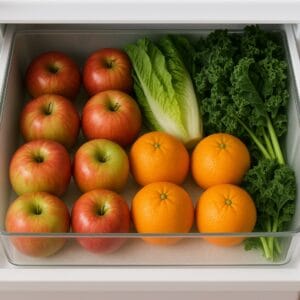
- When stored correctly, apples and oranges can stay fresh for weeks.
- Seasonal vegetables and fruits have the potential to add variety and naturally boost nutrition.
- To ensure freshness, purchase smaller batches of leafy greens like spinach, methi, and kale.
Rotating Items
- Planning weekly for fresh dairy (milk, yogurt, paneer) is essential, but it’s perishable, so make a plan.
- To prolong the life of bread or tortillas, they can be stored in the freezer.
- Fresh herbs (Coriander, Mint, Curry Leaves) are flavorful but short-lived, so it’s best to buy them in small quantities.
Storage Tips
To prevent sprouting, keep onions and potatoes in separate ventilated baskets.
To extend the freshness of apples and citrus fruits, store them in the refrigerator crisper.
Wrap leafy greens in paper towels to absorb moisture and prevent wilting.
Personal Experience
Buying smaller quantities of greens twice a week instead of buying them in bulk made a significant difference in my cooking habit. It reduced waste and meals tasted fresher. Small alterations such as these contribute to the sustainability of a pantry.
Expertise & Authority
According to the Mayo Clinic, a diet full of fruits and vegetables reduces the risk of chronic diseases such as heart disease and cancer. One of the easiest ways to reap these benefits is by rotating seasonal produce.
Source: Mayo Clinic – Nutrition and Healthy Eating.
Practical Tip
Think of fresh produce as your pantry top-up. Your dry staples form the foundation, and your rotating fresh selections keep meals fresh and balanced.
- If you’re interested in learning how diet directly impacts better sleep and energy, my How to Sleep Better Without Medication post can be helpful. Demonstrates the importance of adding more fresh foods.





Sibani is the founder of The Calm Bloom, sharing mindful living tips, wellness guides, and practical routines for a balanced lifestyle.