


Step 5: Create a Realistic Schedule
Avoid framing yourself for disappointment with a 6-day plan if your schedule permits only 3 days. A sustainable fitness routine for beginners routine might include:
- Monday: 20 minutes of brisk walking
- Wednesday: 30 minutes of strength training
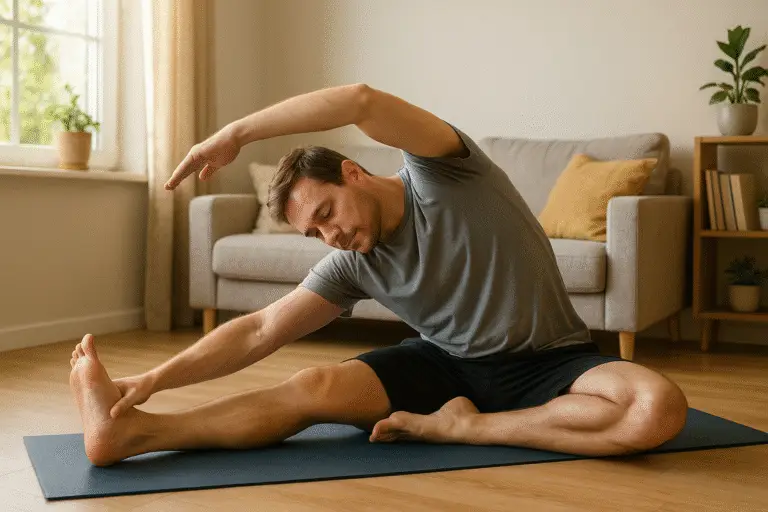
- Friday: Yoga or Pilates (20–30 minutes)
- Sunday: Optional outdoor activity (such as cycling or hiking)
ProTip: Match your workout schedule with your natural energy levels. Morning individuals might favour early workouts, while those who thrive in the evening may opt for later sessions.
Step 6: Fuel Your Body Mindfully
Exercise and nutrition are interconnected. If your body lacks proper nourishment, your workouts may become more challenging, and recovery can be prolonged. Many beginners tend to underestimate the significance of food in maintaining consistency.
Key areas to concentrate on:
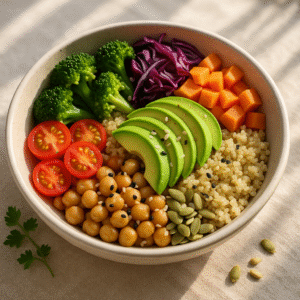
- Balanced meals: Carbohydrates (for energy), protein (for recovery), and healthy fats (for hormone function and sustained energy).
- Pre-workout nourishment: A banana, oatmeal, or whole-grain toast topped with nut butter.
- Post-workout recovery: Aim for protein intake within 30–60 minutes (like lentils, beans, tofu, yogurt, eggs, or lean meats).
- Hydration: Aim for 2–3 liters each day, with more required if you sweat a lot.
- Mindful eating: Steer clear of highly processed snacks; opt for whole food options.
Pro Tip: View food as a source of energy rather than something to restrict. A well-nourished body performs optimally and recovers more efficiently.
Step 7: Track Progress Without Obsession
Monitoring your progress can keep you inspired, but it shouldn’t create anxiety. The aim is to gain awareness, not to achieve perfection.
Methods for tracking progress include:
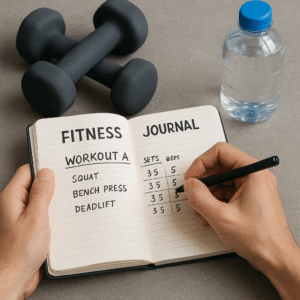
- Workout diary or log – record exercises and your feelings afterward.
- Monthly progress pictures – physical changes manifest gradually but consistently.
- Fitness technology/apps – monitor steps, calories burned, and heart rate.
- Performance objectives: Keep track of improvements in push-ups, squats, or running distances.
The benefit of this approach: Newcomers tend to quit when they don’t notice instant results. Monitoring helps you recognize subtle advancements like better sleep, enhanced mood, or increased endurance.
Step 8: Prioritize Rest and Recovery
Recovery is when your body makes adjustments, not when it “lags behind.” Neglecting rest can result in injuries and burnout.
The importance of rest:
- Muscle recovery occurs during periods of rest, not while exercising.
- Regular rest enhances energy levels and overall mood.
- Prevents overtraining, particularly for those who are new to exercise.
Practical advice:
- Sleep: Aim for 7–8 hours each night with a regular routine.
- Rest days: Schedule 1–2 each week; consider light walking or gentle stretching.
- Cool-down stretches: Spend 5–10 minutes stretching after your workouts.
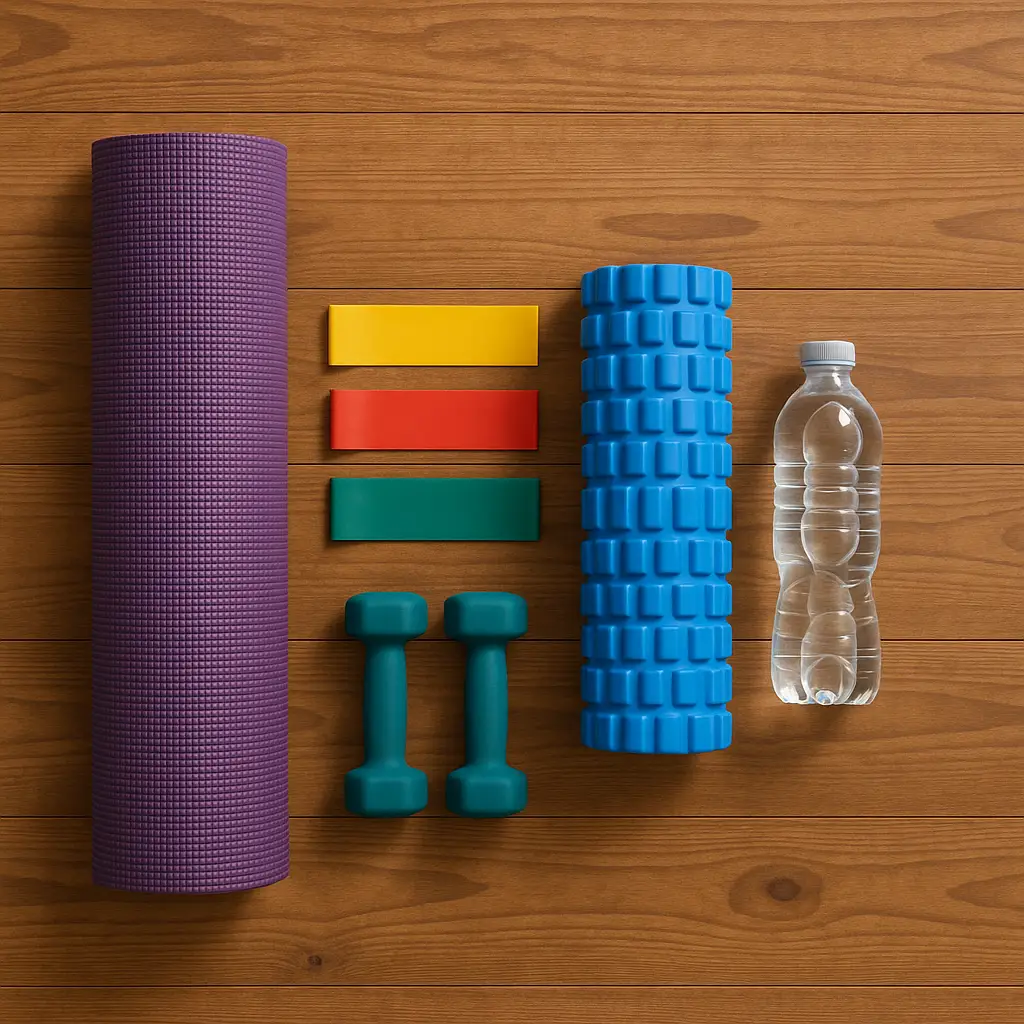
- Foam rolling or massage: Assists in alleviating muscle soreness.
Step 9: Stay Accountable
Being accountable helps reinforce habits. Having someone by your side makes it easier to maintain consistency.
Methods to enhance accountability:
- Exercise partner – working out with someone else makes it more enjoyable.
- Online communities/apps – participate in beginner challenges or update others on your progress.
- Calendar alerts – consider workouts as crucial appointments you cannot miss.
- Engage a trainer (if desired) – for guidance and to improve your form.
- Incentives: Acknowledge achievements with small rewards (like new equipment or pampering yourself).
Pro Tip: Accountability should uplift you, not create stress. Choose systems that offer you a sense of support.
Step 10: Keep It Flexible and Long-Term
Life is not flawless, and your fitness regimen isn’t either. The important thing is to adjust rather than quit.
Ways to remain adaptable:
- Skipped a workout? Just resume the following day; don’t start your whole program over again.
- Feeling low on energy? Trade your HIIT session for a gentle walk or some stretching.
- On the road? Do bodyweight exercises in your hotel room.
- Tight schedule? Even a 10-minute session is beneficial.
Focus on the bigger picture:
- Consistency is more important than instant results.
- Reaching plateaus is a common experience—true progress requires time.
- Value consistency more than perfection.
Main point: Being adaptable sustains your fitness journey through hectic weeks, holidays, or unforeseen challenges.

FAQs
1. How many days a week is recommended for someone just starting out?
Begin with 3 to 4 days each week. Prioritize consistency before increasing the number of workout days.
2. Is a gym membership necessary?
Not at all. You can develop a feasible fitness routine at home with very little equipment.
3. How soon can I expect to see changes?
You might feel more energetic within 2 to 3 weeks. However, visible results typically appear after 8 to 12 weeks.
4. Is it advisable to hire a personal trainer?
It’s not required. While trainers provide guidance, many newcomers find success using online resources.
5. What can I do if I start to feel unmotivated?
Reflect on your reasons for starting. Change up your routine, listen to a podcast, or participate in a short fitness challenge.
Final Thoughts & Call To Action
Establishing a sustainable fitness routine for newcomers focuses more on consistency than on intensity. By beginning with small steps, selecting activities you enjoy, nourishing your body properly, and maintaining a balance between movement and rest, you can cultivate a lasting lifestyle.
As we’ve discussed in our earlier articles on mindful living, meditation, and holistic health, fitness transcends mere exercise; it’s about harmoniously caring for both your body and mind.
👉 If you’re prepared to take the initial step, start by acquiring a simple tool like a resistance band and dedicate just 10 minutes today. Minor actions lead to significant outcomes over time.
Call to Action: Subscribe to our newsletter for weekly wellness insights, workout suggestions, and easy recipes to support a sustainable journey.

Sibani is the founder of The Calm Bloom, sharing mindful living tips, wellness guides, and practical routines for a balanced lifestyle.