7 Proven Ways on How to Sleep Better Without Medication (Naturally)

Peaceful bedroom setup for how to sleep better without medication

Discover 7 proven ways on how to sleep better without medication. Learn natural strategies, product recommendations, pros/cons, and FAQs for restful nights.

Introduction

Sleep serves as a crucial pillar of health, yet it is often the first aspect of our lives that deteriorates when we feel overwhelmed. If you’ve ever found yourself awake at night, staring at the ceiling while your thoughts race, you understand the annoyance of inadequate sleep.

The issue is that many people quickly resort to over-the-counter or prescribed medications. While these may offer temporary relief, they typically do not tackle the underlying causes of sleep problems and can lead to dependency. The positive news is that you can train your body and mind to achieve restful sleep naturally.

In previous wellness guides, we’ve explored how consuming nutrient-rich foods, embracing non-toxic living, and managing stress contribute to improved overall health. The same concept holds true for sleep. By establishing supportive habits and a soothing environment, you can achieve natural, restorative sleep—without relying on medication.


As an Amazon Associate, I earn from qualifying purchases.


Why Natural Sleep Matters

  • Revitalizes energy: Adequate sleep aids in tissue repair and replenishes energy, making you feel more alert.
  • Enhances immunity: Just like nutrient-rich foods bolster your immune defense, sufficient sleep assists your body in combating infections.
  • Regulates mood: Insufficient sleep frequently results in increased irritability and anxiety.
  • Improves concentration and recollection: Your brain organizes and retains information during sleep.
  • Safeguards long-term health: Ongoing sleep deprivation is associated with diabetes, heart issues, and compromised immune function.

The Science of Sleep

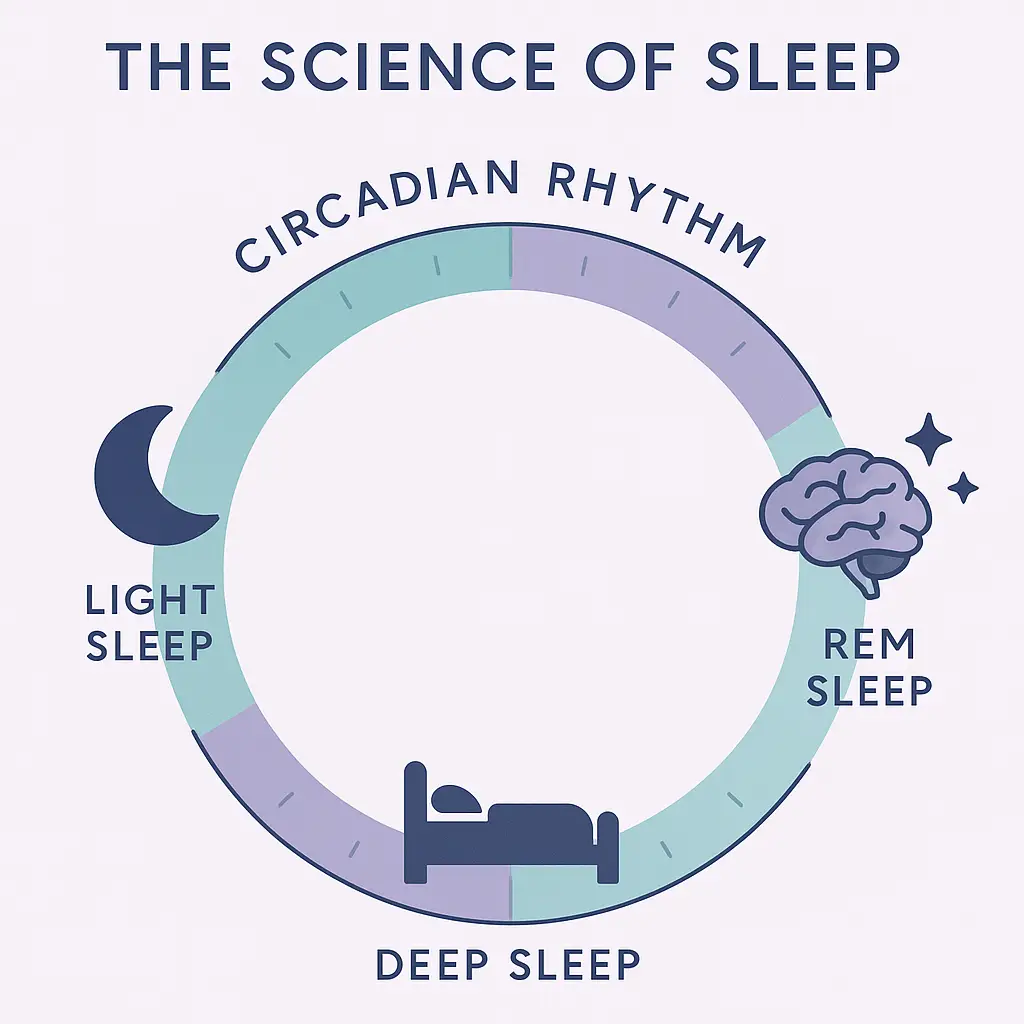
Circadian Rhythm

Your body runs on a 24-hour cycle called the circadian rhythm, guided by light, temperature, and routine. When you align your bedtime with natural signals—sleeping when it’s dark and waking with daylight—you strengthen your rhythm and experience deeper, more restorative rest.

“According to the National Sleep Foundation, your circadian rhythm is strongly influenced by light exposure and daily habits.”

A complete night of sleep passes through various stages:
1. Light Sleep: A transitional phase in which you alternate between wakefulness and sleep.
2. Stable Sleep: Your heart rate decreases, and muscles begin to relax.
3. Deep Sleep: Key time for physical recovery and the release of growth hormones.
4. REM Sleep: The phase where dreaming happens, and memory and learning are consolidated.
In contrast to sleep induced by medication, natural sleep encompasses all these stages, leaving you feeling rejuvenated instead of sluggish.

Diagram showing circadian rhythm and stages of natural sleep

“Research from NIH explains how deep sleep supports physical repair, while REM sleep strengthens memory and learning.”

7 Proven Ways to Sleep Better Without Medication

  1. Stick to a Consistent Sleep Schedule

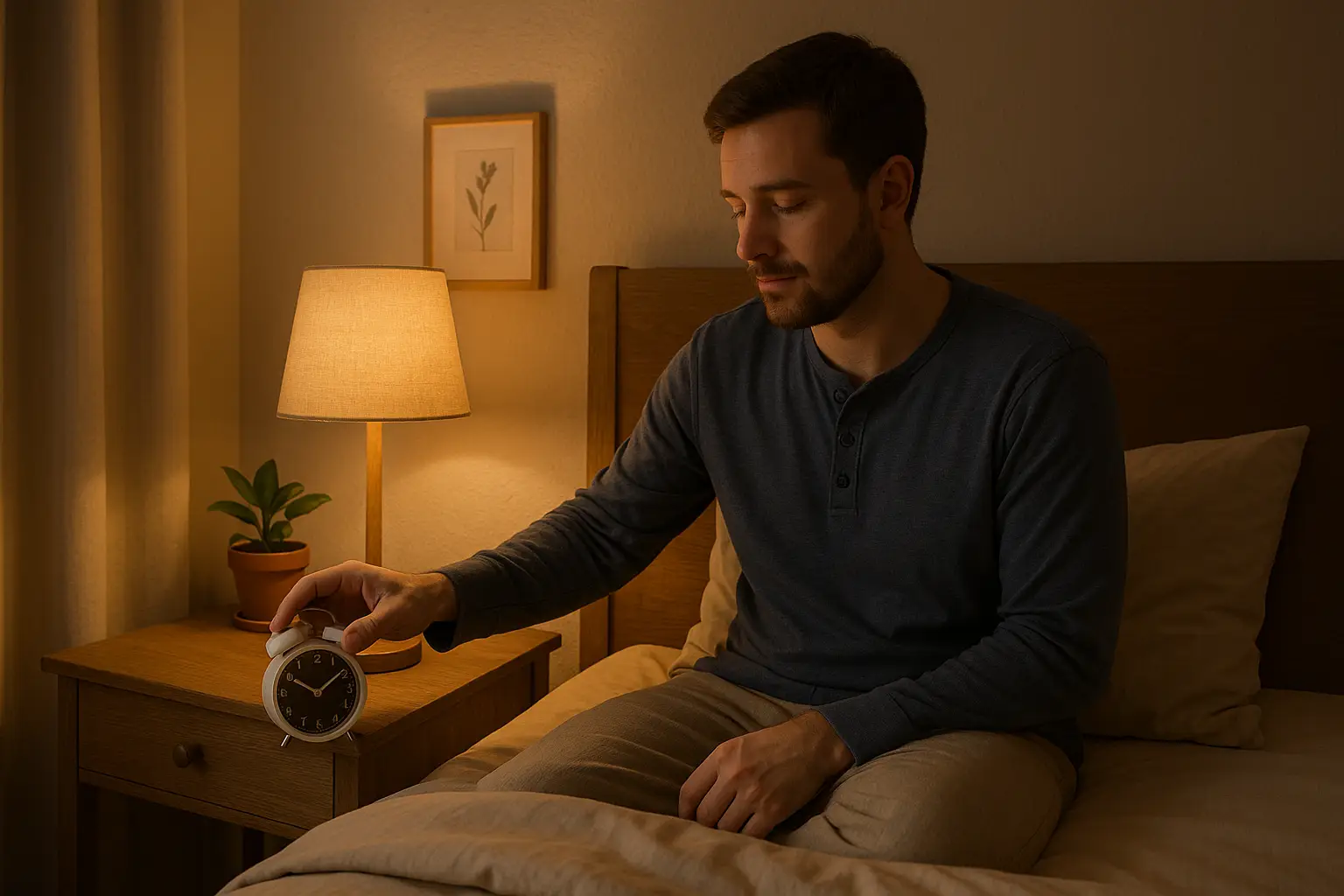
Your body’s internal clock benefits from consistency. Maintaining the same sleep better and wake times each day—even during weekends—enables your body to recognize when it is time to rest.

Case Study: Ravi, a 32-year-old IT worker, faced challenges with insomnia. Rather than using sleep medications, he dedicated himself to a bedtime of 11 PM. In just three weeks, he found it easier to fall asleep and woke up feeling more rejuvenated.

Man setting bedtime alarm to improve sleep naturally
  1.  Create a Sleep-Friendly Environment

Envision your bedroom as a refuge. Similar to how you tidy up your home for a non-toxic lifestyle , organizing your sleeping area fosters mental tranquility.

  • Maintain darkness: Utilize blackout curtains or a sleep mask.
  • Ensure it’s cool: The ideal temperature for most people is between 18–20°C.
  • Minimize noise: White noise machines or earplugs can be beneficial.
  • Opt for natural bedding: Organic cotton or bamboo sheets are breathable and free of chemicals.
  1. Limit Screen Time Before Bed

The blue light emitted by screens disrupts melatonin production, the hormone that signals it’s time for sleep. Power down all devices at least an hour before going to bed.

Instead, consider soothing alternatives:

  • Perusing a book.
  • Writing in a journal about your day.
  • Engaging in a herbal tea ritual.

Case Study: Meera, a student, used to scroll through her phone late at night. After she switched to reading a physical book, she began falling asleep 45 minutes sooner.
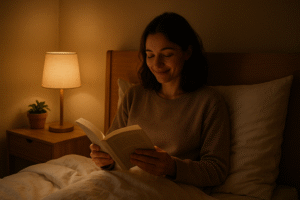
Woman reading book at night instead of using phone for better sleep”

  1. Exercise During the Day

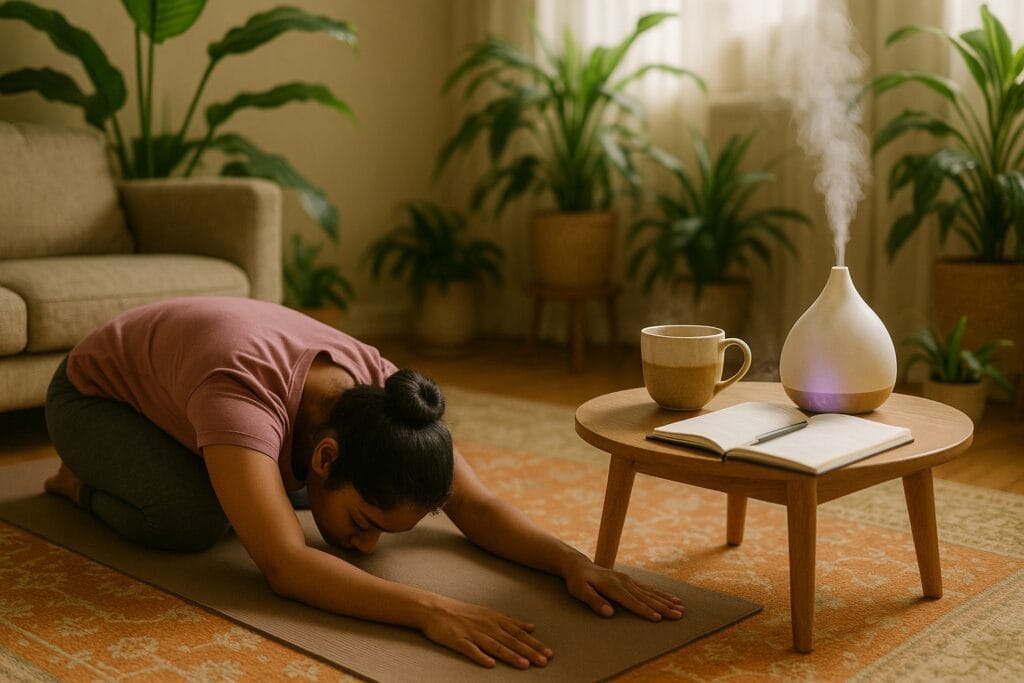
Moving during the day can help you fall asleep more quickly and enhances the quality of your sleep. It doesn’t have to be vigorous; even a fast-paced walk will do. Tip: Consider practicing yoga or stretching in the evening. These activities also serve as a means to alleviate stress, reinforcing our previous conversations about mindful wellness .

  1. Watch What You Eat and Drink

What you eat influences your ability to sleep better—similarly, it affects your immune system.

  • Refrain from caffeine consumption after the early afternoon.
  • Steer clear of large meals close to bedtime.
  • Reduce alcohol intake, as it interferes with deep sleep patterns.
  • Incorporate magnesium-rich foods such as almonds, spinach, or bananas (these were also mentioned in our guide on enhancing immunity).
  1. Manage Stress and Anxiety for sleep better.

Stress ranks among the leading factors that disrupt sleep. Techniques such as meditation, deep breathing, or keeping a gratitude journal help to soothe the nervous system.

Case Study: Anjali, an educator, started doing 10 minutes of guided meditation prior to sleeping. After a month, she noted a reduction in racing thoughts and improved sleep quality.

  1. Use Natural Sleep Aids

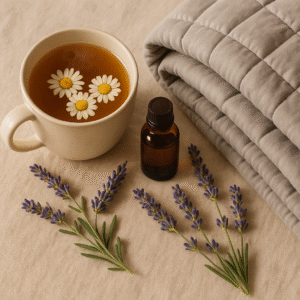
Natural sleep aids like chamomile tea, lavender essential oil, and weighted blanket”

Gentle, natural supports can make a noticeable difference:

Product Reviews: Natural Sleep better Tools

Blackout Curtains (Link Here)


Pros: Block light, improve circadian rhythm, affordable.
Cons: Installation required; can make mornings too dark.


White Noise Machine (Link Here)


Pros: Masks disruptive sounds, portable, great for families.
Cons: Constant noise bothers some people; requires batteries/power.


Weighted Blanket(Link Here)


Pros: Reduces anxiety, improves sleep quality, comforting.
Cons: Can feel hot in warm climates; not for small children.


Herbal Teas (Link Here)


Pros: Natural calming ritual, caffeine-free, hydrates body.
Cons: May cause frequent urination at night if consumed too late.


Lavender Essential Oil(Link Here)


Pros: Pleasant scent, proven calming effects, versatile use.
Cons: Quality varies by brand; scent may feel strong to some.

“The Mayo Clinic highlights that melatonin supplements may help shift workers and travelers, but lifestyle changes should be the first step.”

Pros and Cons of Natural Sleep Approaches

Pros:

• Does not rely on medications
• Promotes overall wellness
• Minimal side effects
• Tackles underlying issues
• Can be adapted in various ways

Cons:

• Needs regular commitment
• Might not suffice for extreme insomnia
• May take longer to see effects than medications
• Certain natural aids may not be suitable for everyone


FAQs

Q1. How long does it take for natural methods to enhance sleep?
Most people start noticing changes within a week, with more significant improvements seen in 4 to 6 weeks.

Q2. Is it possible to use natural methods along with medication?
Absolutely, but it’s important to talk to your doctor beforehand. Natural approaches may help decrease the need for medication.

Q3. Are melatonin supplements considered safe?
Using them over a short period is generally safe, but it’s preferable to boost natural melatonin levels through bedtime routines.

Q4. What should I do if I wake up at night and can’t fall back asleep?
Steer clear of screens; instead, try reading a soothing book, practicing deep breathing, or sipping some warm herbal tea.

Q5. Do weighted blankets provide real benefits?
Indeed—many users report experiencing reduced anxiety and quicker sleep onset.

Closing Thoughts and CTA

Improving your sleep isn’t achieved through medication—it comes from caring for your body with the same attention you devote to your nutrition, surroundings, and managing stress. As highlighted in our guides on nutrition and immunity, harmony in one area positively influences the others. Establishing a serene, natural bedroom and adopting restorative practices directly contributes to enhanced immunity, increased energy, and a clearer mind.

orning energy after learning how to sleep better without medication”


👉 Begin tonight by adopting a new habit—whether that means turning off your screens sooner, enjoying a cup of chamomile tea, or snuggling under a weighted blanket. 


Small changes accumulate into significant transformations.


If you’re eager to further enhance your wellness journey, check out our other guides on [immune-boosting foods], [non-toxic home alternatives], and [natural ways to manage stress]. Your body will reward you with more restful nights and rejuvenated mornings.