How to Boost Your Immune System Naturally at Home
Discover evidence-based, natural ways to strengthen your immune system at home. From nutrient-dense foods to proven lifestyle practices, learn how to build resilience and long-term health.
Introduction
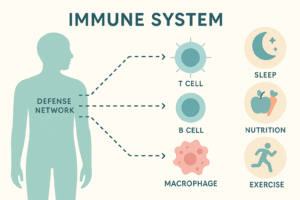
Your immune system is a complex defense network composed of specialized cells, tissues, and processes that work together to maintain your health. Its strength depends on everyday factors such as what you eat, how well you sleep, your stress levels, and how physically active you are.
Wellness experts agree that building a strong immune system requires consistent, evidence-based habits rather than quick fixes or trends. You can incorporate these habits into your daily routine at home. This guide provides practical, research-backed tips to help you support your body’s natural defenses with steps you can implement immediately.
As an Amazon Associate, I earn from qualifying purchases.
Why a Strong Immune System Matters
Your immune system is a highly adaptive network. A well-supported immune system:
- Identifies and neutralizes harmful invaders quickly.
- Shortens the recovery time from infections.
- Protects against long-term inflammation-related diseases.
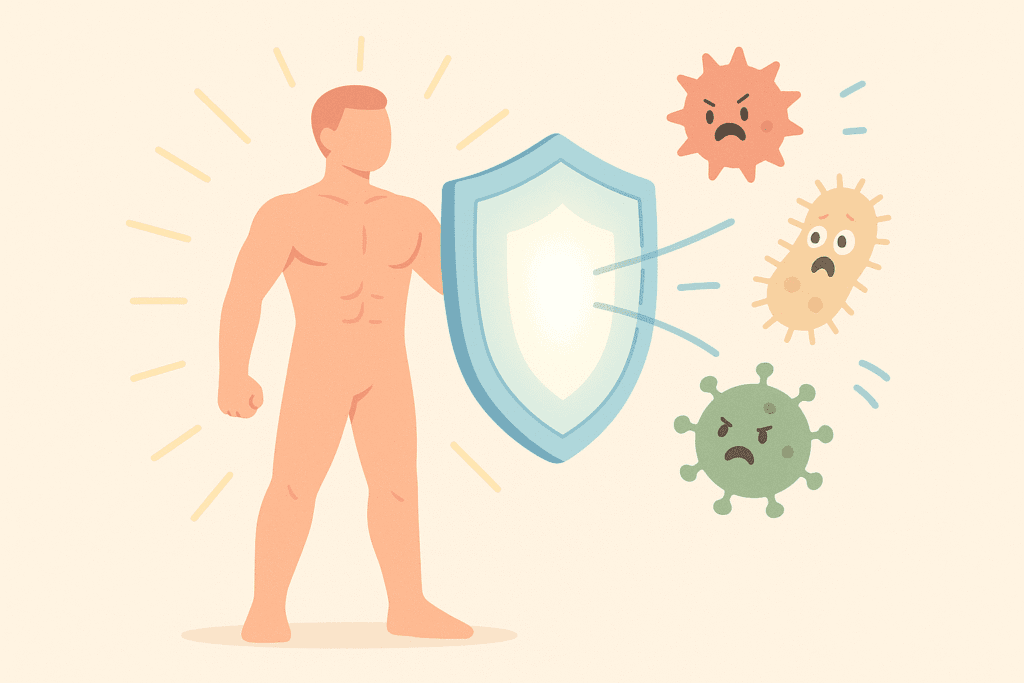
When your immune system is weakened, you may get sick more easily, heal more slowly, and feel more tired. Building a strong immune system helps you stay healthy, recover faster, and support your body as a whole.
Evidence-Based Ways to Boost Your Immune System at Home
Prioritize a Nutrient-Rich Diet
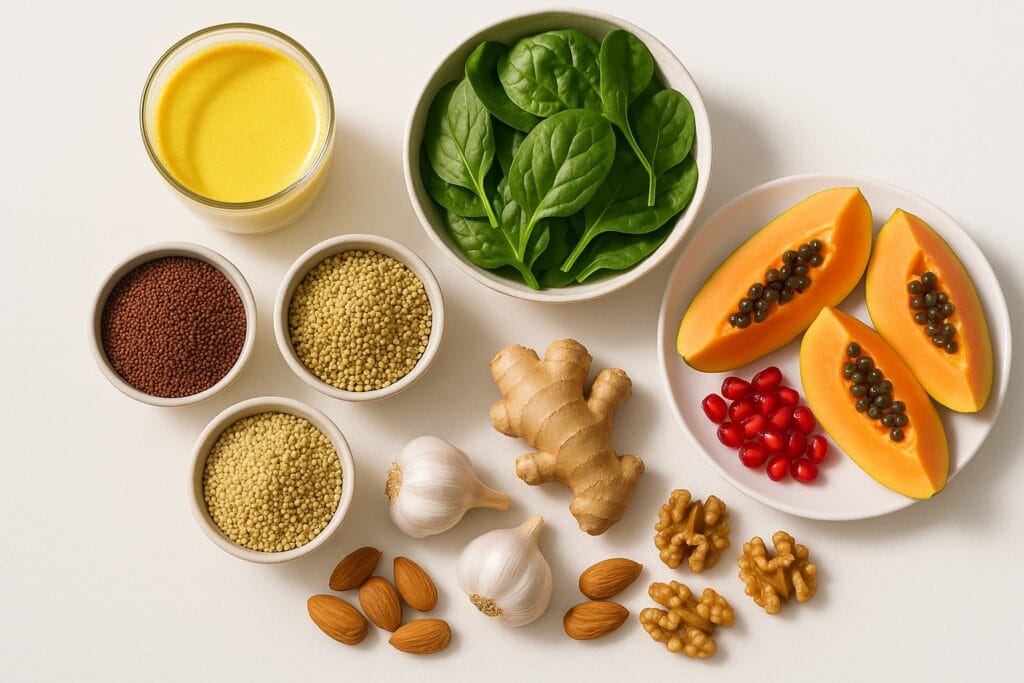
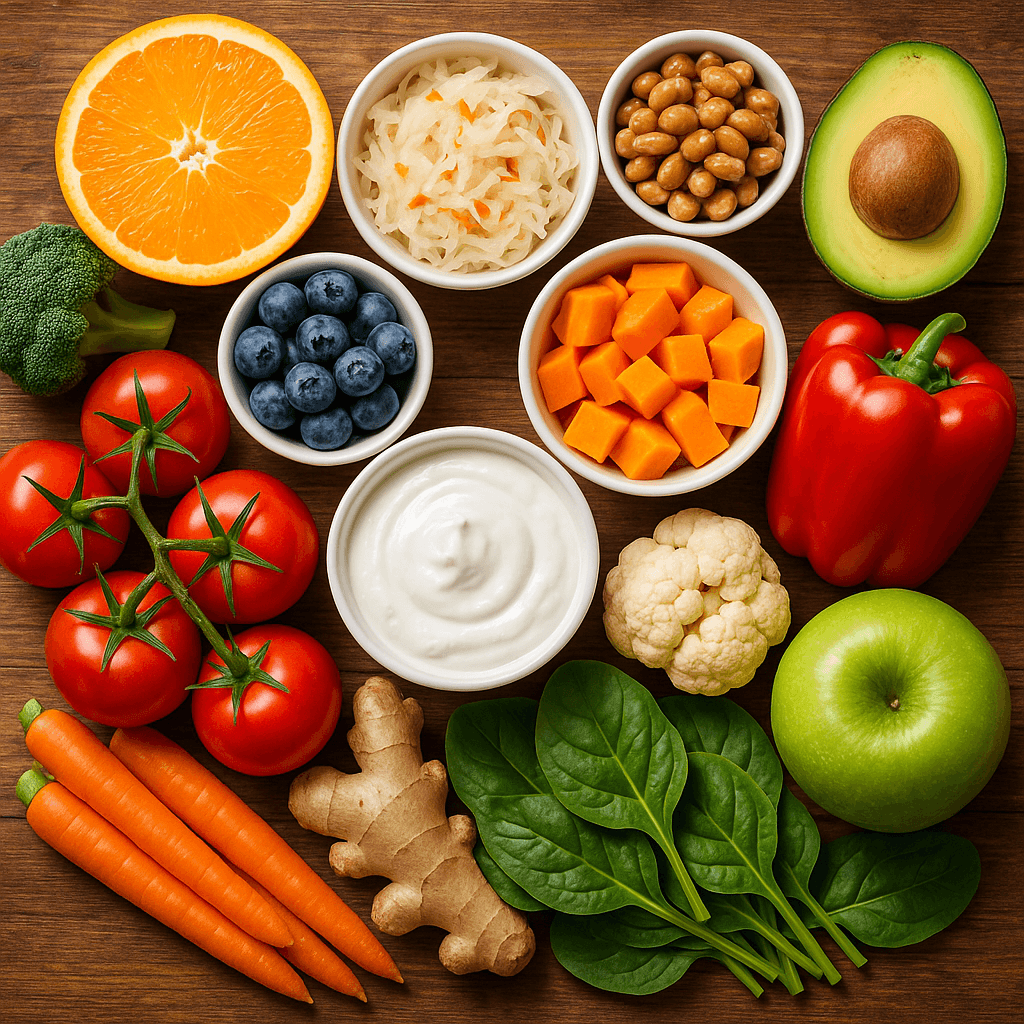
The foundation of immunological health is nutrition. The importance of essential vitamins and minerals is continuously highlighted by research:
• Vitamin C: Found in bell peppers, citrus fruits, and kiwis; vital to produce white blood cells (PubMed).
• Vitamin D: Aids in the control of immune cells; frequently taken as a supplement because of widespread insufficiency (NIH).
• Zinc: Found in legumes, nuts, and seeds; essential for the growth of immune cells (PubMed).
Berries and leafy greens are rich in antioxidants, which lower oxidative stress.
• Probiotics: According to Harvard Health, gut flora are directly linked to immunity and are supported by yogurt, kefir, and fermented foods.
Hydration and Detoxification
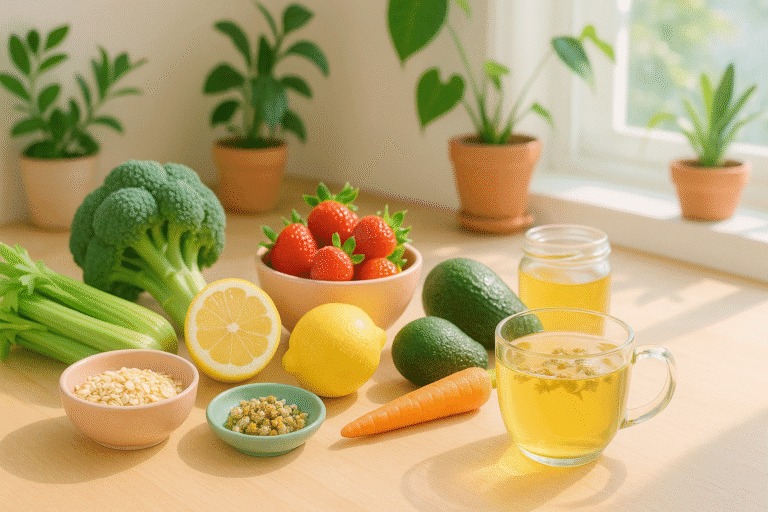
Maintaining proper hydration promotes effective waste removal and nutrition transfer. Try to consume two to three liters every day. Ginger and turmeric tea are examples of herbal infusions that offer extra anti-inflammatory properties.
Lorem ipsum dolor sit amet, consectetur adipiscing elit. Ut elit tellus, luctus nec ullamcorper mattis, pulvinar dapibus leo.

Sleep as Immune Regulation
Adults who get less than seven hours of sleep are more prone to illnesses, according to several studies (PubMed). Regular, restorative sleep cycles increase the activity of immune cells, especially natural killer (NK) cells.
👉 If you struggle with setting a healthy sleep-wake cycle, check out our guide on building a morning routine for mental clarity.
Physical Activity and Circulation
Walking briskly, cycling, or doing yoga are examples of frequent, moderate activity that improves circulation and immunological monitoring. However, very intense exercise can impair immunological function.
Stress Management as Prevention
Prolonged stress causes cortisol levels to rise, which inhibits immunological responses (APA). It has been demonstrated that practices including journaling, diaphragmatic breathing, and mindfulness can reduce cortisol and promote immunological balance.
Incorporate Natural Immune Modulators
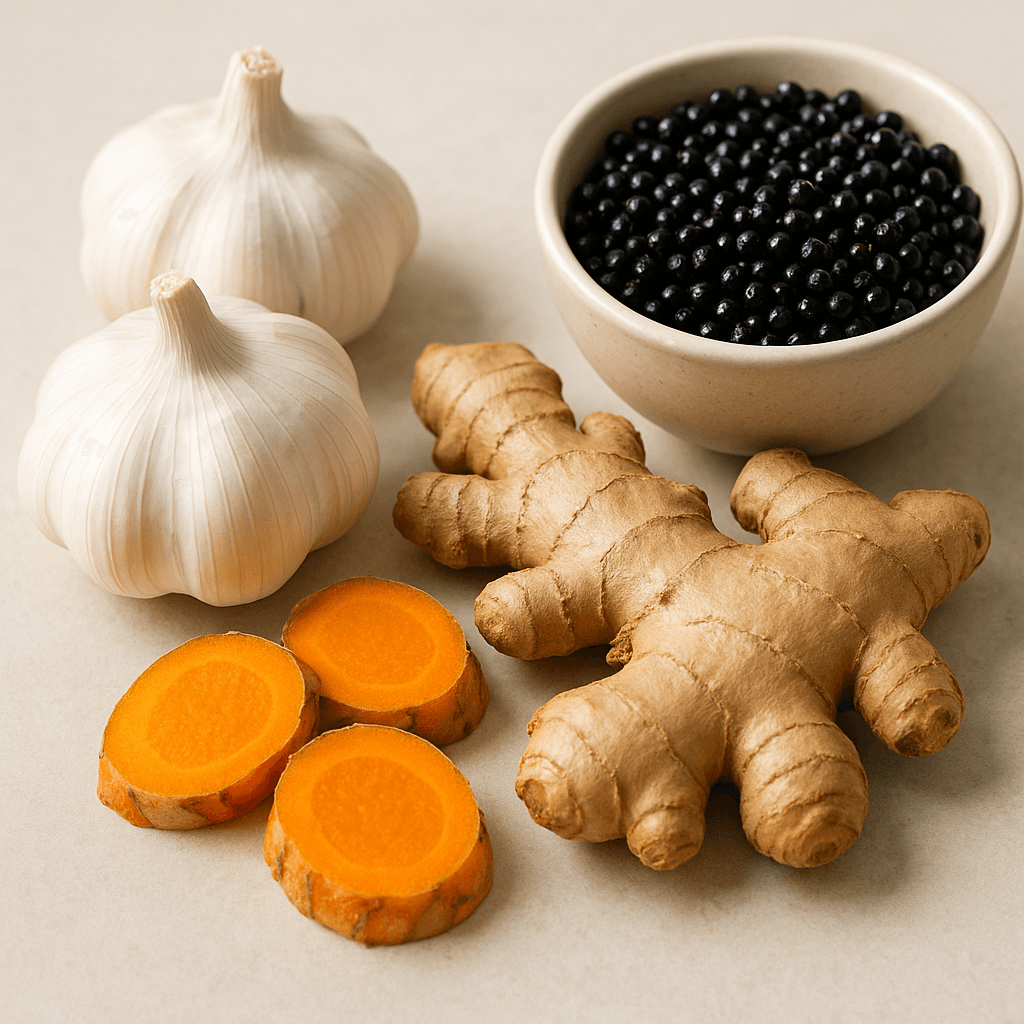
- Elderberry: Contains flavonoids that support recovery from viral infections (PubMed).
- Echinacea: Some evidence suggests it may reduce cold duration.
- Garlic: Documented antibacterial and antiviral activity.
- Turmeric (curcumin): Strong anti-inflammatory effects.
- Ginger: Supports digestion and reduces inflammation.
Hygiene and Environmental Health
Simple immune-protection techniques like handwashing, surface cleaning, and indoor air ventilation continue to be among the most efficient and affordable ones.
Lifestyle Adjustments
Reducing processed food consumption, avoiding alcohol, and quitting smoking are all critical for long-term immunological resilience.
Product Recommendations
- Vitamin C Supplements – NOW Foods Vitamin C
Supports white blood cell function and helps reduce the duration of common colds. - Vitamin D3 + K2 Capsules – Sports Research
Essential for immune cell activity and bone strength, especially if you get little sunlight. - Zinc Lozenges – Nature’s Way
Can shorten the length of colds when taken at the first sign of symptoms. - Probiotics – Garden of Life Raw Probiotics
Helps maintain healthy gut bacteria, which play a direct role in immunity. - Elderberry Syrup – Sambucol
Rich in flavonoids that may support faster recovery from seasonal viral infections. - Turmeric Extract – Gaia Herbs
Provides curcumin, a natural anti-inflammatory compound that supports overall immune balance. - Herbal Teas – Yogi Tea Immune Support
A soothing way to stay hydrated while getting gentle support from botanicals.
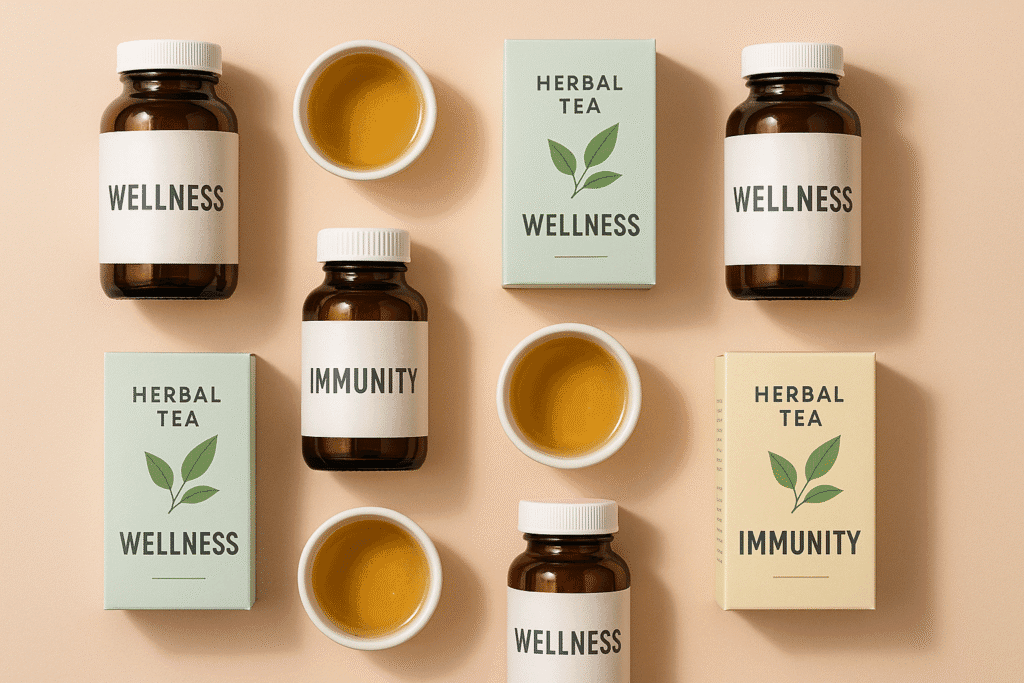
⚠️ Important: Always consult a healthcare provider before starting any new supplement. Quality and dosage matter more than brand
Pros and Cons
👍 Advantages
- Research supports the strategies, which are long-lasting.
• Encourage general health rather than simply immunity.
• More affordable than medical interventions.
• Consistent practice reduces risk.
👎 Limitations
- Natural techniques supplement but do not replace medical interventions.
- Results take time and adherence.
- The quality and efficacy of supplements might vary.
Frequently Asked Questions
Q: Can I boost my immune system quickly?
A: Immunity develops over time. While small short-term improvements are possible, lasting benefits come from consistent, long-term habits like a balanced diet, quality sleep, and regular physical activity.
Q: Are supplements necessary to strengthen immunity?
A: Not always. Whole foods provide most essential nutrients, but supplements can fill gaps when your diet is lacking. Use them as a support, not a replacement for healthy eating.
Q: Does stress really affect immune health?
A: Yes. Chronic stress increases cortisol, which can lower immune cell activity and make you more susceptible to infections. Stress management techniques like mindfulness, journaling, and breathing exercises support immune resilience.
Q: Do cold showers boost immunity?
A: Evidence is limited. Cold showers may improve circulation and alertness, but they are not a major immune booster. Focus on proven practices like diet, sleep, and moderate exercise for stronger immunity.
Q: Which lifestyle habits are most effective for natural immunity?
A: Consistent habits matter more than quick fixes. Prioritize nutrient-rich foods, adequate hydration, restorative sleep, stress management, moderate physical activity, and hygiene practices for a resilient immune system.
Q: Can children follow these immunity-boosting strategies too?
A: Many of these strategies are safe for children, such as balanced meals, regular sleep, physical activity, and stress-reducing routines. Supplements should only be used under pediatric guidance.
A Structured Daily Routine
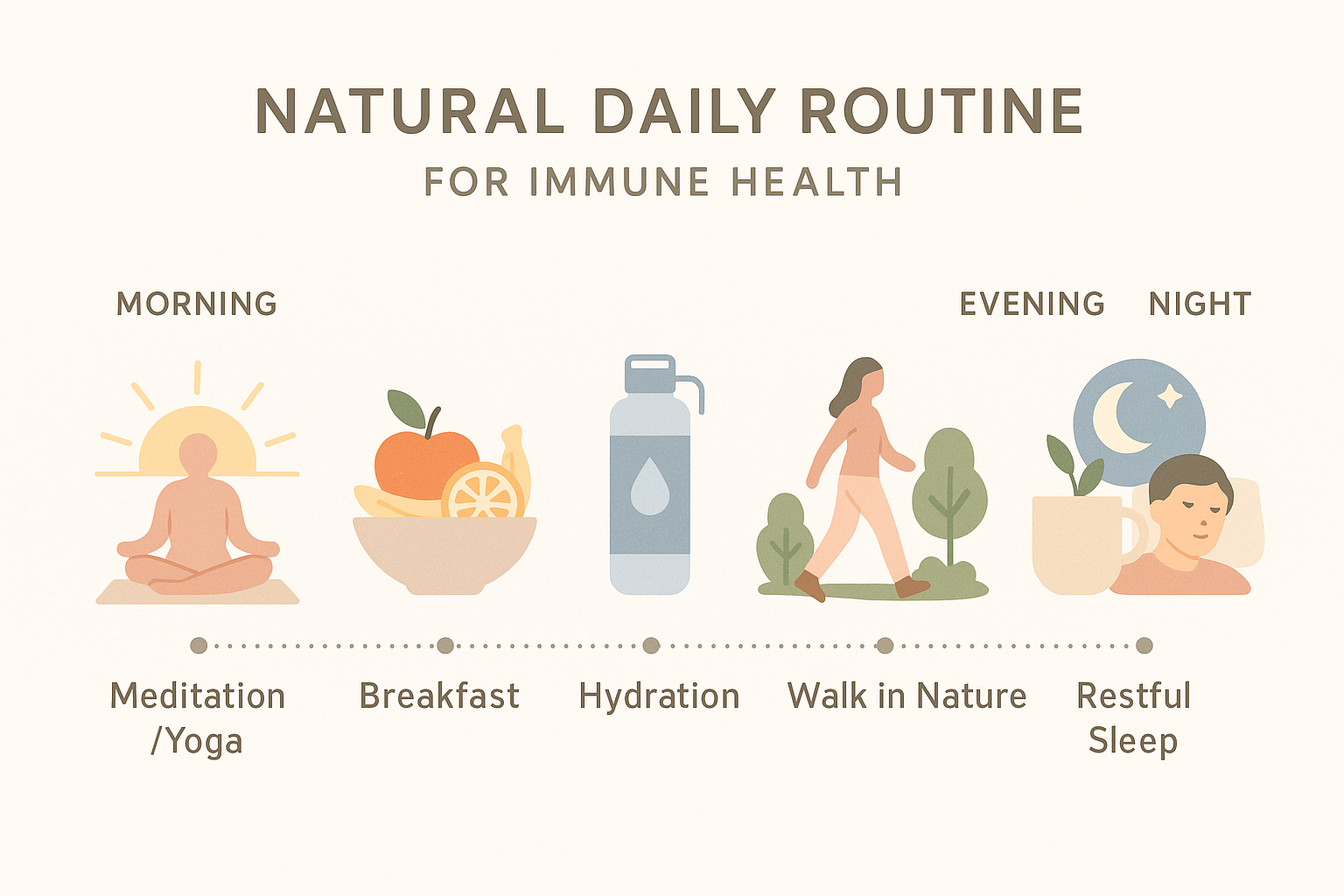
- Morning: Drink warm lemon water, stretch a little, and practice mindfulness to stay hydrated. It is simpler to maintain your immunity-boosting practices when you combine them with a planned morning routine. See our detailed blog on how to start a morning routine for mental clarity.
- Daytime: Balanced meals that include a variety of plants, rest periods, and moderate exercise.
- Afternoon: Herbal tea and sunlight exposure for vitamin D.
- Evening: Journaling, relaxation rituals, limited screen time.
- Night: Consistent sleep schedule with a cool, dark environment.
Conclusion
Scientifically supported lifestyle practices, such as stress management, regular physical activity, restful sleep, and a balanced diet, are necessary to develop a robust immune system. Natural cures and vitamins can provide extra help, but they should never be used in place of medical attention. By putting these daily routines into practice, you give your body the tools it needs to protect, adjust, and flourish.
👉 Want to complement these immune-supporting practices with habits that sharpen your focus? Don’t miss our blog on morning routines for mental clarity.
Call to Action
If this guide resonated with you, share it with others who value preventive health. Begin with one or two science-backed changes today, and allow consistency to become your most powerful immune ally.

Sibani is the founder of The Calm Bloom, sharing mindful living tips, wellness guides, and practical routines for a balanced lifestyle.