Section 1: Why PMS Happens

PMS doesn’t just happen out of nowhere. It shows up when things are stretched too thin.
1. Estrogen–Progesterone Imbalance
Many PMS signs come from too little progesterone compared to estrogen – what some call high estrogen. This hormone brings relaxation, reduces swelling. If it dips, issues such as mood swings, sore breasts, or nervousness get worse.
Internal link: Hormonal Balance Lifestyle Guide
Internal link: Hormonal Imbalance Symptoms in Women
2. Inflammation and Fluid Retention
Inflammation turns up pain messages, making cramps and bloating feel stronger. Eating lots of sugar or processed stuff can spike inflammation when you’re in the luteal phase.
3. Low Magnesium and B-Vitamins
Magnesium shortage shows up a lot, often tied to PMS pain, migraines, or restless nights. B vitamins – B6 in particular – help keep brain chemicals steady, which can lift your mood.
4. High Cortisol and Chronic Stress
High stress means less progesterone. If cortisol remains elevated, PMS symptoms get worse – mood swings, cramps, erratic changes pop up out of nowhere.
Internal link: Stress & Hormones Connection
5. Why PMS Is Worse for Some Women
Severe PMS often overlaps with:
- Insulin resistance
- PCOS
- Thyroid imbalance
- Gut inflammation
- Long-term nutrient depletion
Section 2: Foods That Reduce PMS Naturally
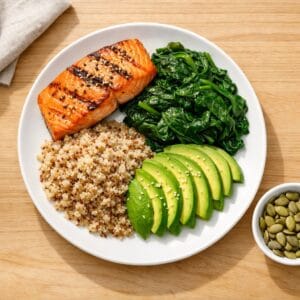 Food can’t cure PMS, yet it shapes how your body handles swelling. It also affects insulin swings along with hormone removal.
PMS-Friendly Foods and Why They Help
Food Group | Examples | Why It Helps PMS |
|---|---|---|
| Magnesium-rich | Spinach, pumpkin seeds | Reduces cramps, calms nerves |
| Omega-3 fats | Salmon, chia seeds | Lowers inflammation |
| Fiber-rich | Oats, lentils | Helps clear excess estrogen |
| Lean protein | Eggs, tofu | Stabilizes blood sugar |
Key Food Categories Explained
1. Magnesium-Rich Foods
Loosen tight muscles while calming your nerves down.
2. Anti-Inflammatory Foods
Berries or turmeric, maybe spinach – these can tone down pain fuelled by prostaglandins.
External link: Harvard – Diet and inflammation
3. High-Fiber Foods
Help your liver flush out toxins while stopping estrogen from being reused.
4. Omega-3 Foods
Lower swelling in the uterus while easing cramps.
5. Lean Protein
Stops low blood sugar from making mood shifts worse – so your energy stays steady without sudden dips messing things up.
Internal links:
• Luteal Phase Nutrition Guide
• PCOS-Friendly Diet & Lifestyle Plan
Section 3: Foods That Make PMS Worse
 These won’t trigger PMS – instead, they make symptoms worse.
Foods That Can Worsen PMS
☐ Sugary treats or sweet bites
☐ White flour along with processed carbs
☐ Excess caffeine
☐ Foods in packages with lots of salt
☐ Drinking booze – particularly right before your cycle starts – can mess things up
Not only Sugar but also caffeine push up cortisol. Salt makes bloating worse. Alcohol messes with estrogen removal plus harms sleep.
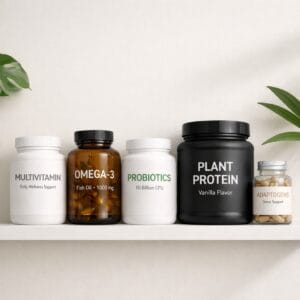
Section 4: Supplements That Help With Reduce PMS Naturally (With Safety Context)
Fixing nutrient gaps is where supplements shine – piling them on without reason doesn’t help. Instead of mixing blindly, focus on what your body actually lacks.
1. Magnesium Glycinate
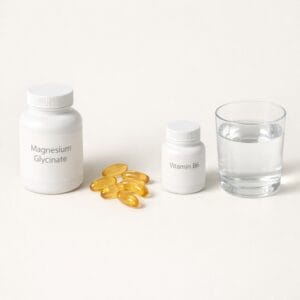 Loosens up cramps while calming headaches. Tames anxious thoughts instead of feeding them. Slows down racing nerves so sleep comes easier.
Many trials go with 200 to 400 mg each day. Begin at a lower dose. Skip it if your kidneys are weak – unless a pro’s watching.
External link: Mayo Clinic – Magnesium research
2. Omega-3 (EPA + DHA)
Lowers swelling while easing period cramps.
Folks often try between 1,000 and 2,000 mg each day.
3. Vitamin B6
Helps your body make serotonin while calming mood swings.
Most people take 25 to 50 mg each day.
4. Calcium & Vitamin D
Shown to reduce physical PMS symptoms over time.
5. Chasteberry (Vitex)
Helps the body make progesterone. Takes around three to six months of steady use. Doesn’t work overnight.
Section 5: Natural Habits That Reduce PMS Naturally
No habit sticks right away. It’s doing it again that shifts how you feel.
1. Walking

Daily walks boost blood flow while lowering how bad cramps feel.
2. Strength Training
Better insulin response, while balancing hormones.
Internal link: Hormone-Friendly Exercise Routine
3. Heat Therapy
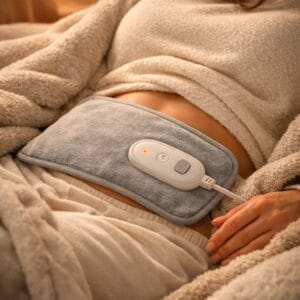 Loosens womb muscles while cutting down on pain messages.
4. Breathwork
Slower breaths can ease how much it hurts by calming your nerves.
5. Sleep Routine
 Poor sleep makes PMS worse – even more than bad food choices do – because rest affects hormones directly.
Internal link: How Sleep Affects Hormones
Section 6: PMS and Stress Connection
 Too much stress means less progesterone.
When cortisol levels remain high
- Emotional PMS worsens
- Cravings intensify
- Pain tolerance drops
Handling stress is a must – otherwise, easing PMS naturally won’t work.
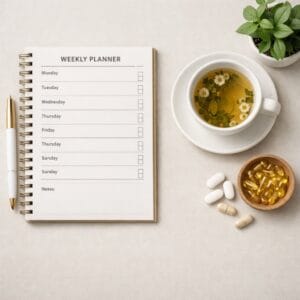
Section 7: A 7-Day Reset to Reduce PMS Naturally (Printable-Ready)
Daily Non-Negotiables
 Meals
Meals
 Meals
Meals- Protein at every meal
- Vegetables twice daily
Hydration
- 2–2.5 liters water
Supplements
- Magnesium at night
- Omega-3 with food
Movement
- 20–30 minutes walking
Night Routine
- Screens shut an hour before sleep starts
- Fixed sleep time
Need a handy 7-day PMS fix list you can use each month?
Grab your no-cost PMS relief checklist right now.
Section 8: When to See a Doctor
 Natural remedies for PMS can only do so much.
Seek evaluation if:
- PMS sticks around longer than a week and a half
- Pain messes up your day, so you can’t focus on tasks
- Issues get worse fast once you hit 35
- PMDD is suspected
Internal link: PMS vs PMDD: Key Differences
Affiliate Disclosure – Reduce PMS Naturally
 Some links might earn us a bit if you buy something – this doesn’t raise your price though. We pick stuff by how good the ingredients are, never because someone paid us. The site could get a tiny cut from sales made through these links.
Magnesium Glycinate (Link)
Many reports suggest 200–400 mg each day. Begin with a small dose so your stomach doesn’t act up. Skip it if your kidneys aren’t doing well – unless a pro’s watching.
Omega-3 (Link)
Most studies use between 1,000 and 2,000 mg of EPA combined with DHA each day.
Vitamin B6 (Link)
Typical amounts range from 25 to 50 mg each day. Still, steer clear of heavy use over time.
Chasteberry (Link)
Use it regularly for 3 to 6 months to see results. Skip this if you take hormone meds – check with your doctor first.
Closing Thoughts
 Choose a single shift – stick with it through one entire round.
If PMS sticks around, it’s not about needing heavier meds – it’s a sign your system craves real care. When that happens, think twice before reaching for pills.

Sibani is the founder of The Calm Bloom, sharing mindful living tips, wellness guides, and practical routines for a balanced lifestyle.