What Causes Chronic Inflammation & How Diet Can Help
To effectively decrease inflammation through nutrition, it’s important to recognize what contributes to inflammation. Major factors include: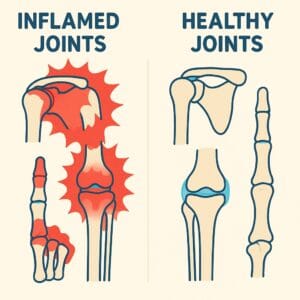
- Excessive consumption of refined carbs, sugary beverages, and processed foods.
- High levels of saturated and trans fats.
- Insufficient intake of fruits, vegetables, whole grains, legumes, and nuts.
- An imbalance between Omega-6 and Omega-3 fatty acids.
- Disturbances in the gut microbiome (such as low fiber intake and an overgrowth of harmful bacteria).
- Lack of essential nutrients (like vitamin D and certain polyphenols, among others).
A healthy diet contributes by:
- Delivering anti-inflammatory nutrients (such as omega-3 fatty acids, antioxidants, and polyphenols).
- Minimizing pro-inflammatory factors (like added sugars, processed foods, and certain unhealthy fats).
- Enhancing gut health through fiber and fermented foods.
- Supplying phytochemicals (found in spices and herbs) that help regulate inflammatory pathways.
Scientific reviews indicate that anti-inflammatory diets typically include higher amounts of fruits, vegetables, whole grains, nuts, legumes, and spices, with lower amounts of processed or trans fats, limited added sugars, and restricted consumption of ultra-processed meats.
Recent research from India is working on an Indian-Adapted Mediterranean Diet (IAMD) that incorporates locally sourced anti-inflammatory ingredients; diets with low Dietary Inflammatory Index (DII) scores are generally linked to a decreased risk of heart disease, among other benefits.
External Resource : Biomed Central
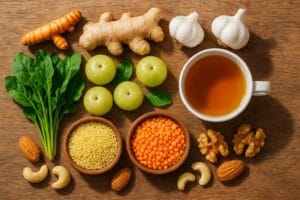
Indian Foods & Spices with Strong Anti-Inflammatory Evidence
Below are Indian food items, spices, and whole foods that are particularly effective at combating inflammation, along with relevant research and suggestions for their use.
| Food / Spice | Key Anti-Inflammatory Compounds | How It Helps / Evidence | How to Use It in Indian Diet |
|---|---|---|---|
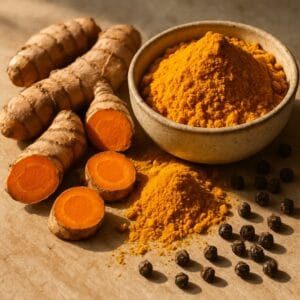
| Turmeric (Curcumin) | Curcumin, demethoxycurcumin, etc. | Blocks NF-κB (a transcription factor that controls many inflammatory genes); shown in studies to reduce CRP, IL-6 etc. | Incorporate turmeric into your dals, curries, and soups. Combine it with black pepper and a fat source (such as ghee or oil) to enhance absorption. One method is to enjoy golden milk. |
| Ginger | Gingerols, shogaols | Inhibits enzymes that cause inflammation; supports digestive health; alleviates swelling and discomfort. | In marinades, chutneys, ginger tea and recipes with fresh-pressed ginger. |
| Garlic | Sulphur compounds (allicin etc.) | Modulates immune system; shown to reduce inflammatory markers. | When possible, use raw garlic in cooked dishes, garlic paste, and tempering. |
| Leafy Greens & Vegetables (spinach, fenugreek leaves, methi, kale etc.) | Vitamins A, C, K; polyphenols; fibre | High intake linked with lower inflammation, improved gut health. | Use in dals, stir fries, and sabzis; add greens or a salad daily. |
| Legumes (lentils, chickpeas, beans) | Fibre, plant protein, polyphenols | Help regulate blood sugar, support gut bacteria, reduce markers like CRP. | Include dals (moong, masoor, chana), rajma, kidney beans, etc. |
| Whole Grains / Millets | Fibre; lower glycemic load; B vitamins, minerals | Inflammation is reduced when whole grains are substituted for processed grains.. | Instead of refined flour, use whole wheat, brown rice, and millet (ragi, bajra, and jowar). |
| Nuts & Seeds (almonds, walnuts, flaxseed, chia) | Omega-3 (especially from seeds), fibre, vitamin E, polyphenols | Rich sources help reduce oxidative stress & inflammation. | Eat them as a snack, add them to salads or curd, or mix them into your breakfast. |
| Fermented Foods & Probiotics (curd, idli, dosa, fermented pickles, buttermilk) | Probiotics; lactic acid bacteria; reduced toxins | Good for gut microbiome which in turn regulates systemic inflammation. | |
| Fruits rich in polyphenols (berries, amla, guava, etc.) | Vitamin C; flavonoids | Reduce oxidative stress and serve to neutralize free radicals. | Eat fruit every day. Use amla in chutneys and juice, and eat fresh fruit as a snack. |
Product Recommendations
These Indian or Indian-market items and supplements can help reduce inflammation through diet. Although they can be useful as supplements, these cannot replace medical care. Always get medical advice, especially if you use medication or have any illnesses.
| Product | Key Ingredients / What Makes It Good | Pros | Cons |
|---|---|---|---|
| Organic India Turmeric Formula Capsules | Combines whole turmeric root, curcumin, and Trikatu (black pepper, long pepper, ginger) to improve absorption. | • Organic, high quality herbs • Enhanced absorption via Trikatu • Good for joint health, skin, digestion • Trusted brand in India | • More expensive than raw turmeric powder • Requires frequent use to produce results • May cause upset stomach in certain people • May interfere with blood thinners. |
| Tata 1mg Tejasya Turmeric Curcumin 95% and Black Pepper | High percentage curcumin plus black pepper (piperine) to enhance bioavailability. |
| • High potency may cause GI side-effects in sensitive people; • May interact with certain medications; • Not a food; supplement so care needed; • Absorption still dependent on fat & timing. |
| Other Indian Curcumin / Turmeric Supplements (e.g. Himalaya Turmeric Curcumin; Baidyanath Curcumin; Healthvit etc.) | These are supported by Indian brands and frequently contain piperine and turmeric extract or other such boosters. Livest(Link) | • Multiple brands give choice of cost, purity; • Many are vegetarian/ayurvedic; • Can fill gaps where diet alone may not provide therapeutic level. | • Supplements are not standardized like drugs; • Quality can vary; • Risk of adulteration or poor manufacturing; • Overuse or high dosage without supervision can be bad. |
How to Use Food and Supplements Together
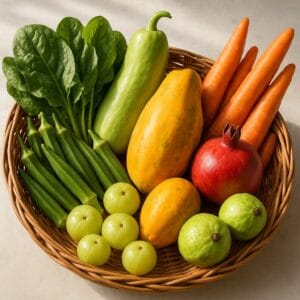
- First priority: aim to get the most anti-inflammatory benefits from whole foods. Supplements can help, but they shouldn’t be used instead of eating nutritious foods.
- If you take turmeric or curcumin supplements, take them with a source of fat like ghee, coconut oil, or olive oil, and also with black pepper.
These things help your body absorb the curcumin better. - Stay consistent for several weeks.
Many studies show that results can be seen after 4 to 8 weeks, and for longer-term issues, it may take even longer. - Keep an eye on how much you take.
Taking more doesn’t always mean better results.
Pros & Cons of an Anti-Inflammatory Diet
| Pros | Cons |
|---|---|
|
|

Sibani is the founder of The Calm Bloom, sharing mindful living tips, wellness guides, and practical routines for a balanced lifestyle.